
Blow molding, a commonly used plastic processing technology, has been widely applied in various industries in recent years. Compared with traditional metal product manufacturing, large-scale blow molding has significant advantages in manufacturing cost and production efficiency. Below, we will provide a detailed analysis from these two aspects.
1、 Manufacturing cost advantage
1. Raw material cost: Blow molding mainly uses plastic as a raw material, which is more stable in price compared to metal and has greater adjustability. This means that even if the market plastic prices fluctuate during the production process, the impact on blow molding enterprises is relatively small. In addition, due to the low density of plastic, the weight per unit volume is lighter, which can effectively reduce storage and transportation costs.
2. Energy consumption: Blow molding is a low-energy production method. Compared to metal material processing, it consumes less energy. This not only reduces the operating costs of the enterprise, but also conforms to the current environmental protection concept.
3. Labor cost: Blow molding processing relies on automated equipment rather than a large amount of manpower, so labor costs are relatively low. The traditional manufacturing process of metal products usually requires a large amount of human resources.
2、 Production efficiency advantage
1. Production speed: Blow molding equipment can achieve high-speed continuous production, greatly improving production efficiency. Moreover, once the equipment is installed and debugged, it can operate stably and continuously without frequent maintenance.
2. Product adaptability: Blow molding technology can be used to produce products of various shapes and sizes, including complex geometric shapes. This provides convenience for customized production and also enhances the market competitiveness of enterprises.
Overall, large-scale blow molding processing has significant advantages in manufacturing costs and production efficiency compared to traditional metal product manufacturing. However, these two manufacturing methods are not completely mutually exclusive, and in many cases, they will be combined and used according to product requirements and the actual situation of the enterprise.
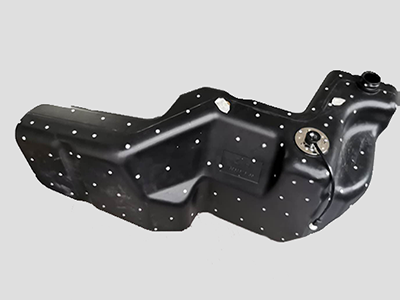
Blow molded products, a common plastic processing technology, have won praise from many industries for their unique processes and wide application fields. It is not only suitable for the production of daily necessities, but can also be applied to many other industries such as automotive, medical, aerospace, etc. Next, let's take a detailed look at the specific application scenarios of blow molded product processing in different industries.
Firstly, let's take a look at its application in the consumer goods manufacturing industry. Blow molded products are widely used in the fields of packaging and storage. For example, food and beverage containers are usually made by blow molding, which can be transparent for consumers to observe the color and condition of the food and beverage inside. In addition, detergent bottles, cosmetic bottles, etc. are also within the application range of blow molded products.
Next, let's take a look at the application of blow molded products in the automotive industry. In the automotive industry, blow molded products are mainly used to manufacture automotive components such as bumpers, headlight housings, fuel tanks, etc. Due to its advantages such as lightweight, durability, and impact resistance, blow molded products are widely used in automobile manufacturing.
Furthermore, the application of blow molded products in the medical field cannot be ignored. For example, baby bottles and toys, as well as medical syringes and infusion sets, are manufactured using blow molding technology. These instruments require good transparency and chemical corrosion resistance, and blow molded products precisely meet these requirements.
Finally, we can also see the application of blow molded products in the aerospace industry. For example, the storage cabinets and water dispensers inside the spacecraft are manufactured using blow molding technology. These products need to be able to withstand extreme environmental conditions, including low temperatures, vacuum, radiation, etc. The heat and cold resistance of blow molded products make them an ideal choice in this field.
Overall, blow molding processing has a wide range of applications in various industries, and its diverse application methods and excellent performance characteristics provide efficient, economical, and environmentally friendly solutions for various industries. With the development of technology and social progress, the application prospects of blow molded products will be even broader.

Blow molded products play an important role in our daily lives, such as car parts, toys, food packaging, and so on. For large-scale blow molding processing, ensuring dimensional accuracy and appearance quality is particularly important. This not only affects the functionality of the product, but also directly impacts its market competitiveness. So, how can we effectively ensure the dimensional accuracy and appearance quality of large blow molded products?
1、 The importance of equipment and processes
Firstly, we need high-quality equipment to support our production process. This includes efficient blow molding machines, precise measuring equipment, and sophisticated control systems. Through these devices, we can more accurately control the size of the product and promptly detect and correct any possible deviations.
Meanwhile, choosing the appropriate production process is also crucial. For example, for complex shapes or structures, we may need to use multi-stage blow molding or in mold bonding techniques to improve product quality and reduce dimensional deviations.

2、 Strict quality control
In addition to equipment and processes, strict quality control is also an important aspect of ensuring dimensional accuracy and appearance quality. This includes the full process quality management from raw material procurement, production process monitoring, to final product inspection. We need to establish a comprehensive quality management system, conduct regular quality inspections and performance testing, and trace and handle non-conforming products.
3、 Continuous improvement
In the actual production process, various unexpected problems may arise. Therefore, we need to establish a continuous improvement mechanism to adjust our equipment, processes, and quality control procedures according to the actual situation. Through this approach, we can continuously improve the quality and efficiency of our products.
Overall, to ensure the dimensional accuracy and appearance quality of large-scale blow molding processing, we need to comprehensively utilize advanced equipment and technology, rigorous quality control, and continuous innovation and improvement. Only in this way can we produce high-quality products, meet customer needs, and enhance our market competitiveness.

Choosing the appropriate plastic raw materials is crucial in the plastic blow molding process. Because different plastic materials have different properties and characteristics, they can affect the quality, cost, and production efficiency of blow molded products. This article will provide a detailed introduction on how to choose suitable plastic raw materials in plastic blow molding processing from the following aspects.
1、 Understand the classification of plastic raw materials
Plastic raw materials are mainly divided into two categories: thermoplastic and thermosetting plastics. Thermoplastic can soften and flow when heated, solidify and form after cooling, and has good processability and reusability; Thermosetting plastics, on the other hand, are hard when heated and cannot flow. Once formed, they cannot be softened by further heating. Therefore, when selecting plastic raw materials, it is necessary to determine which type of plastic raw material to use based on the characteristics and production process of blow molded products.
2、 Consider the performance of plastic raw materials
When selecting plastic raw materials, attention should be paid to their mechanical properties, heat resistance, cold resistance, wear resistance, corrosion resistance, and other aspects. For example, for blow molded products such as outdoor equipment and electronic products, it is necessary to choose plastic materials with good weather resistance and UV resistance; For food grade blow molded products, it is necessary to choose non-toxic, odorless, safe and hygienic plastic materials. In addition, it is necessary to select suitable plastic materials with good flowability according to the shape and size of blow molded products, in order to facilitate the control of the molding process.
3、 Refer to industry standards and experience
When choosing plastic raw materials, one can refer to relevant industry standards and technical requirements, as well as the experience of industry experts. For example, one can consult national or regional plastic product standards to understand the recommended plastic raw material varieties and performance indicators; You can also consult with production companies and technical personnel in the same industry to understand the commonly used plastic raw materials and their advantages and disadvantages in the actual production process. Through these channels, more basis and reference can be provided for one's own choices.
4、 Pay attention to environmental protection and sustainable development
When choosing plastic raw materials, it is also necessary to pay attention to their impact on the environment and sustainability. For example, plastic materials with good biodegradability can be chosen to reduce environmental pollution; You can also choose recyclable recycled plastic materials to reduce resource consumption and waste. At the same time, it is also necessary to pay attention to complying with relevant environmental regulations and policies to ensure the compliance of production.
In short, selecting suitable plastic raw materials is crucial in plastic blow molding processing. Only by considering the characteristics of the product and the requirements of the production process, and taking into account factors such as the classification, performance, industry standards, and environmental protection of plastic raw materials, can we provide strong guarantees for the quality, cost, and production efficiency of blow molded products.
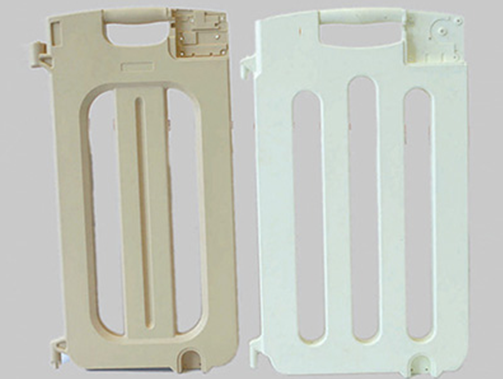
Multi layer blow molding is a Shanghai blow molding process that uses injection molding or extrusion to produce multi-layer preforms for the production of hollow products. The obtained product has the characteristics of isolating oxygen, carbon dioxide, and moisture, and also has advantages such as chemical resistance, but the cost is relatively high. It can be used as a beverage bottle, fuel tank, and container for chemicals.
Shanghai multi-layer blow molding processing generally uses co extrusion method to produce preforms, which are then blown to obtain products. For example, in the manufacture of pesticide bottles, PA-6 can be used as the inner layer, high molecular weight polyethylene as the outer layer, and ionic resin as the adhesive for the middle layer; On the equipment, if a storage cylinder mouth mold is used, three extruders can be used to plasticize PA-6, ion type resin, and HMWPE into their respective storage cylinders; When pressure is applied to the pistons of the three storage cylinders, the materials converge at the mold mouth to form a three-layer billet, which is then inflated, cooled and shaped to obtain a hollow product.
If the melting point of the polyamide resin used is 220 ℃, the selected HMWPE should have sufficient melt strength at 225-230 ℃. The polyamide adheres to the surface of polyethylene through an adhesive, and the elongation of the preform mainly depends on the molecular weight of polyethylene. However, blow molding of polyamide requires high polymerization degree resin, or viscosity increase through grafting and cross-linking to reduce sagging.
Since its production began in 1973, plastic fuel tanks for automobiles have accounted for 90% of the market share in 2000. In terms of fuel tank materials, there has been a shift from single-layer high molecular weight polyethylene products to multi-layer extruded hollow products.
For example, a 6-layer co extruded blow molded fuel tank using ethylene vinyl alcohol copolymer (EVOH) as a barrier layer has a 24-hour hydrocarbon leakage of 0.1g. During the 6-layer co extrusion, the material structure is: HDPE/adhesive/EVOH/adhesive/recycled/HDPE; The share (%) of each layer is 38/2/3/2/43/12. Due to the poor heat resistance of EVOH, continuous extrusion process can only be used. In order to fully utilize the unit composed of 6 extruders and minimize waste, two sets of blow molding molds can be configured, and two 6-axis robotic arms can be used to respectively transport the preforms and take away the products.
In terms of co extrusion blow molding equipment, Rikufec, a German company, produced the world's largest three-layer co extrusion blow molding equipment for Spanish customers in 2000, model GBMS4000/A300/Coex3, with a discontinuous operating system featuring a 300L annular pushing pressure die; A extrusion molding machine with an extrusion capacity of 1500kg and a clamping force of 5000kN, with template sizes ranging from 405mm to 3350mm, can produce products with a volume of up to 25m3.
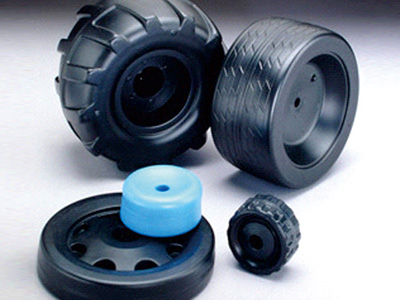
Blow molding and injection molding are two common molding processes, but there are also many differences between the two. Today, Kunshan Juxinchang editor will give you a clear understanding of injection molding and blow molding processing.
There are several important differences between blow molding and injection molding, including molding processes, air utilization, and molded products.
1、 Molding process:
Roughly speaking, blow molding is injection+blowing, while injection molding is injection+pressing.
1. Blow molding processing
Also known as hollow blow molding, a tubular plastic preform obtained by extruding or injecting thermoplastic resin. Place it in a split mold while it is hot (or heated to a softened state), and immediately introduce compressed air into the mold blank after closing it, causing the plastic mold blank to inflate and adhere tightly to the inner wall of the mold. After cooling and demolding, various hollow products are obtained.
2. Injection molding processing
Thermoplastic injection molding is a method of melting plastic material and injecting it into a mold cavity. Once the melted plastic enters the mold, it is cooled and molded into a certain shape according to the mold cavity, and the resulting shape is often the finished product. No further processing is required before installation or use as a finished product, and many details such as protrusions, ribs, and threads can be molded in one step of injection molding. The injection molding machine has two basic components: an injection device for melting and feeding plastic into the mold, and a mold closing device.
2、 Air utilization:
Air is the enemy of injection molding. If there is air present during the manufacturing process, air pockets or bubbles may be generated, which can cause weaknesses in the product, leading to product defects and possible disposal.
But using the method of blowing air, air is very important. Blow molding processing revolves around air entering the mold to push out and expand the product. The amount of air that the mold can hold is limited before separating and leaving holes in the molten product. But without air, blow molding is impossible.
3、 Shaped products
Although there are slight differences between blow molding and injection molding types, there is a particular major difference between these two types of plastic manufacturing.
Generally speaking, blow molding is used to create a hollow space. For example, bottles are commonly used in the food and beverage industry, pharmaceutical industry, and countless other industries.
Injection processing is used to produce solid parts, such as plastic products. The blow molding process creates the shape of plastic products, while the result of injection molding is the product itself. Through injection molding, manufacturers only need to manufacture molds to ensure the success of their products. Any additional molds will be replicas of the original molds. However, for blow molding processing, manufacturers must pay special attention to production variables to ensure that each product has the same thickness.
The above are the differences between blow molding and injection molding. Do you understand? If you still don't understand, you can communicate and exchange ideas with Kunshan Juxinchang editor through QQ, WeChat, message or call the hotline

Blow molding is one of the important processing methods for thermoplastic materials, which can be used to process films and hollow products such as bottles and barrels. The barrels or bottles produced by blow molding factories can be round or flat, and are suitable for molding and processing various thermoplastic plastics such as PE, PP, PVC, PC, PET, etc.
1、 Main equipment of blow molding processing plant
Extrusion blow molding equipment mainly consists of extruders and blow molds, while injection blow molding mainly consists of injection molding machines and blow molds.
2、 Introduction to other blow molding processes
1). Multi layer blow molding
The products processed by multi-layer blow molding technology are composed of multiple layers of raw materials. The structures commonly used by blow molding factories include PA/PPO, PVA/PPO, PE/PVC/PE, PS/PAN/PP, etc. The processes include co extrusion blow molding and multi-layer injection blow molding.
Co extrusion blow molding is a processing method that uses several extruders to simultaneously squeeze the plasticized resin into multiple layers of machine heads, and then passes it through a core rod to form multiple layers of preforms, followed by blow molding.
Multi layer injection molded containers have good air tightness and are mainly used for packaging cosmetics, drugs, and food.
2). Stretch blow molding process
The stretch blow molding process is a processing method that uses injection molded blanks to stretch at a softening temperature and then blow molded. Stretch blow molded products have good transparency, improved tensile strength, impact strength, surface hardness, rigidity, and airtightness. This method is particularly suitable for materials such as PET and PP.
3). Extrusion, stretching, and blow molding
Extrusion, stretching, and blow molding are used to produce plastic bottles. The process involves first using extrusion to melt the resin into a tubular billet, then fusing the bottom of the billet into a bottomed billet, and then processing the billet to the ideal stretching temperature for longitudinal stretching and blowing to produce a hollow bottle. This method is mainly used for processing PP raw materials, and the products are mainly small thin-walled bottles. By using this process for processing, the impact toughness, low-temperature strength, transparency, surface gloss, and rigidity of the product have all been improved or enhanced.
4). Injection, stretching, and blow molding
The injection stretch blow molding process mainly produces PP, PET or PVC bottles. The process involves first injecting molten resin into a bottomed billet, then heating the billet and stretching and blowing it to form a bottle body.
This method is similar to the extrusion stretching blow molding method, but the process has no burrs and saves raw materials.
5). Extrusion blow molding
Extrusion blow molding mainly produces large hollow containers (large hollow containers generally refer to hollow products such as barrels, tanks, storage tanks, and boxes with a volume of>50L). During the processing of large containers, due to the weight of the billet, slow extrusion by an extruder alone can cause the billet to sag, resulting in uneven wall thickness, and prolonged extrusion time can cause the surface of the billet to be cooled, which will affect the quality of the container. Therefore, during the production of extrusion blow molding, a storage device is installed at the front end of the extruder to store the molten material first, and then the extrusion molding is carried out.

What are the blow molding processing techniques? Today, Kunshan Juxinchang website editor will briefly explain this issue:
The blow molding process includes three main methods:
1. Extrusion blow molding: The main cutting is used for processing unsupported billets
2. Injection blow molding: mainly used for processing preforms supported by metal cores
3. Stretch blow molding: including extrusion stretch blow molding and injection stretch blow molding methods, it can process biaxially oriented products, greatly reducing production costs and improving product performance.
In addition, there are multi-layer blow molding, compression blow molding, dip coating blow molding, foam blow molding, three-dimensional blow molding, etc. 75% of blow molded products are formed by extrusion blow molding, 24% by injection blow molding, and 1% by other blow molding methods; Among all blow molded products, 75% belong to biaxially stretched products.
The above website editor briefly introduced the blow molding processing technology. If you have any needs in this area, you can call us and we will be dedicated to serving you!
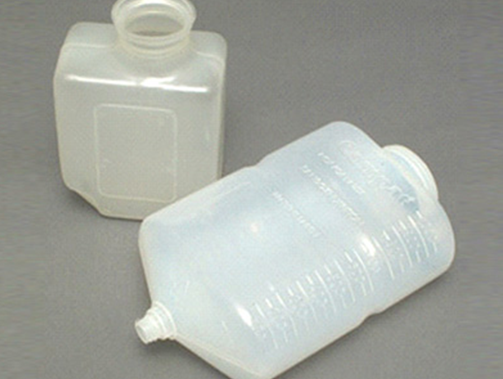
1. Introduction to Design
Large blow molded processed products are widely used in various industries, especially in the beverage and pharmaceutical packaging industry, and are also widely used in the toy industry, such as blowing baby bottles, hollow floating parts, Christmas lampshades, toy yachts, children's learning car accessories, and some large toys such as slide tracks, bases, etc.
With different product requirements, the focus of product design also varies. For blow molded toy products, more emphasis is placed on safety and physical testing (considerations of tension, torsion, throwing, and stress cracking), while for container products, more emphasis is placed on pressure resistance, corrosion resistance, and good impermeability requirements.
1) Make an R transition at the edges and corners
Generally, the corners and edges of large blow molded products need to be made into R-transitions because the inflation ratio at sharp corners is relatively high, which can easily cause uneven wall thickness. In addition, sharp corners are also prone to pressure cracking. The R-transition of the product can make the wall thickness uniform.
2) Enhance structural design in terms of compression, tension, and torsion resistance
With different product requirements, some structural designs in terms of compression, tension, and torsion can also be added:
A. To increase the longitudinal compressive strength of the product, some reinforcing ribs can be designed along the direction of force;
B. To improve the anti collapse performance of the product, the surface can also be designed as an arc-shaped structure that is conducive to stress and supplemented with reinforcing ribs. The shoulders of bottle products should be inclined and not too straight;
Generally, the bottom of the bottle is made into a concave shape to increase strength and stability during placement. For example, the bottles we usually see containing edible oil often have some concave and convex shapes on the surface, which not only increase the strength of the bottle body, but also facilitate the labeling of trademarks.
Introduction to materials for large-scale blow molding processing
The development and application of large-scale blow molding technology are complementary to the development of blow molding materials. Blow molding materials have gradually evolved from LDPE, PET, PP, and PVC products to blow molding engineering plastics, rubber, and some composite materials.
A. Polyolefins
HDPE, LLDPE, LDPE, PP, EVA are generally used for blow molding industrial products, containers and toy accessories, storage containers for chemical drugs, etc.
B. Thermoplastic polyester
PETG and PETP are mainly used for blowing carbonated beverage packaging bottles, wine bottles, etc. They have gradually replaced PVC and are widely used. The disadvantage is that their cost is relatively high, mainly used for injection pull blow molding.
C. Engineering plastics (alloys)
ABS, SAN, PS, PA, POM, PMMA, PPO, etc. have gradually been applied in industries such as automotive, pharmaceutical, home appliances, and chemical, especially PC and its blended plastics, which can blow produce high-quality containers and automotive products (PC/ABS, etc.).
D. Thermoplastic elastomer
Usually, SBS, SEBS, TPU, TPE and other blow molded materials are used as rubber materials, while thermosetting plastics, vulcanized rubber and cross-linked PE cannot be processed by large-scale blow molding.

Many people say that blow molded products are very good, but I have found that some people also feel that blow molded products may fade, so blow molded products have been questioned. Today, I will introduce why blow molded products fade? Resolve everyone's doubts.
The fading of blow molded products is often caused by human factors, mainly due to the following reasons:
1. Acid and alkali resistance
The fading of blow molded products is often caused by the chemical resistance of the coloring agent. For example, molybdenum chromium red is resistant to dilute acid, but it is not resistant to alkali and cadmium yellow, which seriously affects the coloring effect of the coloring agent and induces fading.
2. Heat resistance
This is very easy to understand. Heat resistance refers to the degree to which pigments change color and fade at high temperatures. For coloring agent pigments, organic pigments will change their molecular structure at high temperatures, leading to fading consequences; Inorganic pigments have relatively high heat resistance and are more stable.
3. Light resistance
Poor light resistance of colorants can directly lead to fading. Many products processed by blow molding are outdoor products, so light resistance is the first requirement. According to industry regulations, the light resistance of outdoor products should not be lower than level 6, and for internal products, level 4-5 is generally selected.
4. Antioxidant activity
Some inorganic pigments slowly fade due to the dissolution of large molecules or other modifications after oxidation, which is caused by high-temperature oxidation during production and processing, as well as oxidation caused by strong oxidants. After mixing lake, formamide color paste, and iron oxide yellow, the red color will gradually decrease.
Why do blow molded products fade? The above editor has listed several relevant factors, hoping to be helpful to you. When choosing products, try to avoid them as much as possible. If you want to know more, you can consult us online and we will be happy to serve you!

As of now, blow molded products have become the mainstream in various industries, gradually replacing wooden products. When customers choose products, they often consider blow molded plastic products. So, what are the advantages of blow molding? Today, let's follow Kunshan blow molding processing manufacturer - Juxinchang editor to learn more!
Advantages of blow molding processing:
1. Good safety function. The raw materials for blow molding products are all plastics, which have non-conductive properties, so they are relatively safe for operators.
2. Low cost of use. By improving the structure or changing the blow molding process, the rigidity and strength of the blow molding process can be improved, allowing the product to adapt to environmental factors and extend its service life. In this regard, it greatly reduces the cost of product use.
3. The blow molded products are made of high molecular weight and high-density polyethylene resin, which is extruded and blow molded in one go. It can achieve seamless connection without gas leakage, and the performance of the product is relatively stable.
4. Adequate environmental protection, blow molded products are non-toxic and harmless, and have good corrosion resistance. They are also easy to disinfect and clean, and can be recycled, making them very environmentally friendly.
5. Blow molded products often have diverse shapes, good anti slip properties, and no corner residue.
The above is an introduction to the advantages of blow molding processing by Kunshan blow molding manufacturers. Blow molding products are everywhere in our lives, and their performance in terms of utilization and safety is loved by everyone. If you have such needs, you can contact us online and we will be dedicated to serving you!

Blow molding machines are the foundation of our blow molding process. Today, the editor will give a brief introduction to the maintenance of blow molding machines. Let's take a look at the common knowledge of blow molding machine maintenance together
1. The cost of blow molding processing machines is high: blow molding processing is highly efficient, capable of high output and large-scale production, but the fixed asset of blow molding processing machines often requires a huge investment, so for individuals, it is often beyond their reach.
2. For blow molding machines, mechanical, hydraulic, electrical, and specialized components are all part of it, which can basically achieve automated production. It can adopt a two shift system of 12 hours a day, and the machine can operate continuously.
3. Easy to operate: The production process of blow molding machines is relatively simple, but if there is a problem with the machine, it can be difficult to repair. However, the basic technical requirements for production operations are very low.
4. In the process of technical operation, there should be a sense of risk, and workers should master certain safety operation knowledge, because the working environment of blow molding machines is often high temperature, high pressure, and high speed. In such a working environment, accidents can be very dangerous.
5. Prevent fires. Firstly, do not perform any organizing tasks during startup; Secondly, the items around the machine should be classified properly; Furthermore, the raw materials used in blow molding are often highly flammable and explosive; So it is necessary to do a good job in fire prevention.
That's all for the tips on repairing blow molding machines. Blow molding is a common method in the plastic production industry, which has its own advantages but also some hidden dangers that need to be avoided manually. If not handled properly, it can often cause serious loss of life and property. We hope that through the above introduction, everyone has a certain understanding. If you have processing or product needs in this area, you can contact us, and we will be dedicated to serving you!

Today, the editor of Juxinchang blow molding factory will briefly introduce the basic working principle of blow molding processing for everyone
Blow molding process first sprays out liquid plastic, and then uses the wind force blown out by the machine to attach the plastic body to a certain shape of the mold cavity, thus making the product. Plastic is melted and quantitatively extruded in a screw extruder, then molded through a mouth film, cooled by an air ring, and then pulled by a traction machine at a certain speed, and wound into a roll by a winding machine.
The working process of a large blow molding machine:
The automatic air ring structure adopts a dual air outlet method, where the air volume at the lower air outlet remains constant, and the upper air outlet is divided into several air ducts on the circumference. Each air duct is composed of an air chamber, a valve, a motor, etc. The motor drives the valve to adjust the opening degree of the air duct and control the air volume of each air duct. During the control process, the thickness probe detects the thickness signal of the thin film and transmits it to the computer. The computer compares the thickness signal with the current set average thickness and performs calculations based on the thickness deviation and curve trend. It controls the motor to drive the valve to move. When the thin film is too thick, the motor moves forward and the air outlet closes; On the contrary, the motor moves in the opposite direction, and the air outlet increases. By changing the air volume at each point on the circumference of the air ring and adjusting the cooling speed at each point, the lateral thickness deviation of the film is controlled within the target range.

As a new type of blue ocean in the market, blow molding processing has always faced many difficulties in blow molding processing and distribution, especially in large-scale blow molding processing and distribution. Nowadays, community delivery has become a trend, with convenience stores and community properties becoming the focus of delivery. Recently, a company has hired community security guards specifically for fresh food delivery. Although it is not as expected, it is still an attempt. Today, Juxinchang, a blow molding processing manufacturer in Suzhou, would like to talk to you about:
Unlike large e-commerce channels that can build their own blow molding processing systems and have their own sales personnel for delivery, small and medium-sized blow molding processing will inevitably face obstacles in delivery. Community delivery is the completion of the blow molding processing supply chain, involving multiple characteristics of fresh produce (including but not limited to weight, temperature, efficiency, and freshness). Various enterprises in e-commerce malls in developed countries in Europe and America have also conducted inspections and implemented different solutions to improve community delivery standards. One of the more useful methods among them is the community store self pickup and nearby delivery led by e-commerce enterprises. In short, it is to transform the warehouse from a large warehouse to a small batch distribution, making inventory closer to end consumers.
Nowadays, the main method used in China is the mainline cold chain method, and the cold chain blow molding processing on the branch lines is not yet fully developed, which was also a dilemma at that time. E-commerce companies can automatically extend their supply chain, allowing customers to choose between store pickup or nearby delivery. As the most successful e-commerce platform in the UK, Argos has adopted three operational methods: mobile online shopping, in store experience shopping, and catalog based marketing, to fully satisfy consumers' different shopping needs. Agos' customers go to the store or search for product catalogs at home, select products, make payments, and orders are shipped together from the huge warehouse in the store's backend. However, this type of delivery will incur a certain efficiency fee, and most users need to go to nearby stores in their own community through the method of pre ordering and picking up the ordered products.
It should be noted that online shopping was done quite well at that time, and store experience shopping was also checked at SF Express stores and other locations. However, the self pickup method of community stores does not mean that any region can operate efficiently. The quality and radius of efficiency of community stores are key factors affecting their operation. In addition, retail e-commerce also needs to cultivate residents' shopping habits of going to community stores for self pickup. Convenience stores are a wide range of social stock resources closely connected to the daily lives of community residents. As storage points for express delivery, they do not require excessive capital investment from large blow molding processing enterprises.
The production process of blown film processing is roughly as follows:
Raw material plasticization extrusion → inflation traction → air ring cooling → herringbone clamp → traction roller traction → corona treatment → film winding
However, it is worth emphasizing that the characteristics of the blown film are closely related to the main parameters of the production process. Therefore, in the entire blown film process, it is necessary to improve the control of the main parameters of the processing technology, standardize the actual operation of the processing technology, ensure the smooth development of production and manufacturing, and obtain high-quality film products. In the process of processing polyethylene blown film, the main focus is on controlling the main parameters of the following processing techniques:
1. Extruder temperature
When blowing low-density polyethylene (LDPE) film, the extrusion temperature is generally controlled between 160 ℃ and 170 ℃, and it is necessary to ensure that the extruder temperature is uniform. If the extrusion temperature is too high, the resin is easily decomposed and the film will become brittle, especially when the vertical tensile strength is significantly reduced;
If the temperature is too low, the resin plasticization will be poor, and smooth stretching cannot be carried out. The tensile strength of the film is also low, and the glossiness and clarity of the surface are poor, even resulting in patterns like wood rings and unmelted crystal nuclei (fish eyes).
2. Inflation ratio
The inflation ratio is one of the key control points in the blown film processing flow, which refers to the ratio between the diameter of the inflated film bubble and the diameter of the non inflated tube ring. The inflation ratio is the transverse expansion ratio of the film, which is actually a transverse stretching effect on the film. The stretching effect will have a certain degree of effect on the molecular structure of the plastic, and the expansion ratio will increase, thereby improving the transverse compressive strength of the film. However, the inflation ratio should not be too high, otherwise it can easily lead to unstable film bubbles and wrinkles on the film. Therefore, the inflation ratio should be appropriately coordinated with the traction ratio. Generally speaking, the inflation ratio of low-density polyethylene (LDPE) film should be controlled between 2.5 and 3.0.
If you have any questions about the production process of blown film processing, please feel free to consult the editor of Kunshan Juxinchang Company!

手机

留言

抖音




 语言选择
语言选择 
 189-1326-9266