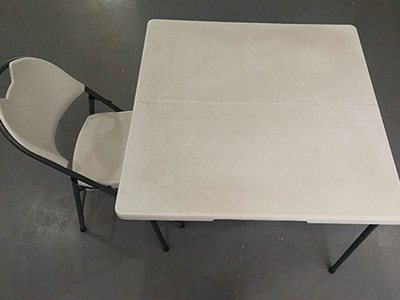
The blow molding process is divided into injection pull blow molding process and extrusion blow molding process. Here, we mainly analyze the process of extrusion blow molding and the factors that affect the Shanghai blow molding process.
1. Selection of blow molding materials
The selection of raw materials is crucial in blow molding processing in Shanghai. Firstly, it is required that the performance of the raw materials meet the requirements for the use of the product, and secondly, the performance of the raw materials must comply with the requirements of the blow molding process. High density polyethylene has a melt index range of 0.94-0.96 grams per centimeter. Low melt index resin blow molding is beneficial in preventing the sagging of the billet and easily obtaining a uniform wall thickness of the billet. However, when the screw speed increases, the appearance of low melt index resin becomes rough. Therefore, for the selection of the above melt index range, large and medium-sized blow molded products should focus on preventing the sagging of the billet and should be slightly lower; The selection of small blow molded products is slightly higher.
2. Temperature control
The accuracy of temperature control during the extrusion process has a significant impact on the quality of the billet. For example, when the temperature is too low, the surface of the billet becomes rough, while when the temperature is high, the surface has good gloss but severe sagging. When extruding easily thermally degradable resins such as polyvinyl chloride, it is also important to control the temperature so that it does not exceed the degradation temperature.
3. The influence of screw speed on extruded pipe blanks
The screw speed is an important factor affecting the quality of the pipe blank. High extrusion speed can increase production and reduce billet sagging, but the surface quality of the billet decreases. Especially with an increase in shear rate, certain plastics, such as high-density polyethylene, may experience melt fracture. Moreover, when the rotational speed increases, a large amount of frictional heat is generated, which poses a risk of instantaneous degradation of plastics such as polyvinyl chloride. So a Shanghai blow molding machine uses larger extrusion equipment to keep the screw speed below 70 revolutions per minute.
4. The influence of die on extruded pipe blanks
The mouth mold is an important device that determines the size and shape of the billet, so it is required that the inner surface smoothness should reach 10 and the size should be processed according to the design requirements. The size of the mouth mold shaping section can generally be selected as 8 times the gap value between the mouth mold core rods.
It can be seen that in order to make good blow molding products, good material selection, temperature control of Shanghai blow molding processing machines, and selection of screws and mouth molds are very important.
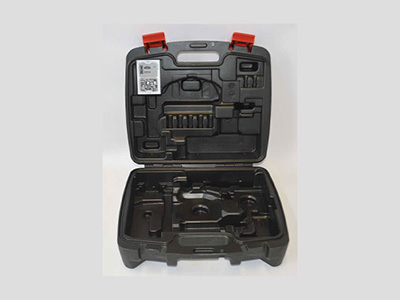
Plastic blow molding is a common method of forming thermoplastic materials. It involves placing the semi molten embryo obtained by extrusion or injection molding into various shaped molds, expanding it in the mold through compressed air and utilizing internal and external differences to adhere closely to the mold cavity wall, giving it a specific shape and size, and then cooling and demolding to obtain the product. Plastic blow molding is the third largest plastic processing and molding technology after extrusion molding and injection molding.
Blow molding processing technology is simple, low energy consumption, high production efficiency, and can be produced in large quantities. The products have diversity. This molding processing technology can produce hollow containers such as bottles, barrels, pots, and cans with different shapes and capacities, daily necessities, transportation facilities, and children's toys. It can also produce industrial hollow products for different purposes, which are widely used in industries such as chemical, food, pharmaceutical, automotive, transportation, fisheries, sports, water facilities, military, and home appliances.
Requirements for color masterbatch in blow molded products:
Almost all thermoplastic resins can be used for the manufacturing of hollow blow molded products, among which the most important resins include polyethylene, polyester, polypropylene, polyvinyl chloride, polyamide, polycarbonate, etc. The color masterbatch products used for blow molding processing need to pay attention to many properties, among which the properties that need special attention mainly include: chemical resistance, light/weather resistance, heat resistance, safety, etc.
01 Chemical resistance
Plastic containers used for packaging raw materials and products, especially chemical products, in industrial and agricultural production must ensure that the substances contained in the container itself do not react chemically with the packaged substances. Therefore, special attention should be paid to the tolerance of pigments for the packaged content, such as acid/alkali resistance, solvent resistance, water resistance, oil resistance, etc. Higher requirements are placed on packaging containers for strong oxidant chemicals.
02 Safety
Numerous plastic containers are used for packaging food, beverages, and other cosmetics or kitchen cleaning products that come into contact with the human body. All raw materials used in the production of these plastic containers, including pigments, must comply with relevant chemical safety regulations and usage permits.
03 Heat resistance
Under different process temperature conditions for hollow blow molding of resins, pigments need to be able to maintain color stability and proper performance.
04 Light resistance/Weather resistance
Hollow blow molding products are often used outdoors, so attention should be paid to the light resistance of pigments, especially for some oils and cosmetics stored in outdoor display windows, which may have special light resistance requirements for brand promotion.
05 Migration resistance
Hollow blow molding products are mainly used as liquid packaging containers. If the pigments used in them have migration resistance, the migrated colors will migrate to the liquid in contact with them, causing contamination.

Blow molding is currently the main method for forming hollow plastic products in China. Today, we bring you some relatively obscure yet very practical Shanghai blow molding processing tips.
1) Processing temperature and screw speed
The principle is to use lower processing temperatures and faster screw speeds as much as possible, while being able to extrude smooth and uniform plastic preforms without overloading the extrusion rotation system.
2) Forming air pressure
Generally within the range of 0.2-06MPA, its size is mainly determined by the high or low melting viscosity of the plastic. Low viscosity materials such as nylon and polyethylene are easy to flow and inflate, so the air pressure during molding can be reduced; Those with high viscosity, such as polycarbonate and polyoxymethylene, require higher pressure due to poor flow and inflation ratios. The size of the formed air pressure is also related to the size of the product and the thickness of the billet wall. Generally, thin-walled and large volume products should use higher pressure, while thick walled and small volume products should use lower force. The most suitable pressure range is 0.1-0.9MPA. A series of hollow products are blow molded by increasing the pressure by 0.1MPA, and the clarity of their shape, contour, thread, pattern, text, etc. is determined by visually distinguishing them.
3) Inflation ratio
The ratio of product size to billet size, which is the multiple of billet inflation, is called the inflation ratio. When the size and quality of the billet are constant, the larger the product size, the greater the blowing ratio of the billet. Although increasing the inflation ratio can save materials, the thinning of the product wall thickness makes molding difficult, and the strength and stiffness of the product decrease; Insufficient inflation ratio leads to increased plastic consumption and reduced effective volume of the product; Wall thickness, extended cooling time, and increased cost. The general inflation ratio is 2-4 times, and a ratio of 1:2 is more suitable, as the wall thickness is more uniform at this time.
4) Mold temperature and cooling time
The higher the melting temperature of the material, the higher the mold temperature is allowed. On the contrary, the mold temperature should be lowered as much as possible. If the mold temperature is too low and the plastic cools too early, it will be difficult to deform, and the contours and patterns of the product will become unclear; If the mold temperature is too high, the cooling time will be long and the production cycle will increase; If the cooling degree is not sufficient, it is easy to cause deformation of the product during demolding, high shrinkage rate, and a dull surface.
To prevent deformation of products caused by elastic recovery of polymers, the cooling time for blow molded products in Shanghai is generally longer, accounting for one-third to two-thirds of the entire molding cycle. For products with a thickness of 1-2mm, a cooling time of only a few seconds to a dozen seconds is generally sufficient.
5) Thread
The threads processed by blow molding in Shanghai usually have a trapezoidal or semi-circular cross-section, rather than ordinary fine or coarse threads, as the latter are difficult to form. In order to facilitate the cleaning of burrs on the product, the threads can be made intermittent without affecting the use, that is, on a section of the parting surface attachment, the plastic product does not have threads.
6) Rounded corners
The corners, grooves, and reinforcing ribs of blow molded products in Shanghai should use larger arcs or spherical transitions as much as possible to facilitate molding and reduce deformation in these areas, resulting in plastic products with uniform wall thickness.
7) Demoulding slope
Due to the fact that Shanghai blow molding does not require a convex mold and has large shrinkage, the demolding slope can generally be removed even if it is zero. However, when there are ripples on the surface of the product, the demolding slope should be at least 3 degrees.

Shanghai blow molding is one of the important processing methods for thermoplastic materials. It uses extrusion, injection and other methods to produce tubular preforms, and then compressed air is introduced into the cavity of the thermoplastic mold to expand it into the desired shape of plastic products.

Blow molding technology began to be used in the production of low-density polyethylene small bottles during World War II. In the late 1950s, with the birth of high-density polyethylene terephthalate and the development of blow molding machines in Shanghai, blow molding technology was widely applied. The volume of hollow containers can reach several dry liters, and some production has adopted computer control.
Application of blow molding processing in Shanghai
Blow molded products are widely used in various industries, especially in the beverage and pharmaceutical packaging industry, and are also widely used in the toy industry, such as blowing baby bottles, hollow floating parts, Christmas lampshades, toy boats, children's learning car accessories, and some large toys such as sliding ladder tracks, bases, etc.
Key points of product design for blow molding processing in Shanghai:
1. Generally speaking, the corners and edges of blow molded products should be made into R-transitions because the high expansion ratio at sharp corners can easily cause uneven wall thickness, and sharp corners are also prone to pressure cracking;
2. With different product requirements, some structural designs in terms of compression, tension, and torsion can also be added;
3. In addition, for blow molded toy products, more emphasis is placed on safety and physical testing (consideration of tension, torsion, picking, and stress cracking), while for container products, more emphasis is placed on pressure resistance, corrosion resistance, and good impermeability requirements.
Troubleshooting of common faults:
1. Difficulty in membrane introduction
Fault analysis and troubleshooting methods:
(1) Improper temperature control of the machine head. When the head temperature is too high or too low, it can cause traction difficulties, and the head temperature should be adjusted appropriately.
(2) Uneven discharge from the mouth mold. The gap between the mouth molds should be adjusted to make the surrounding gaps uniform. At the same time, adjust the temperature of the nose connector appropriately to coordinate with the body temperature.
(3) The melt contains impurities of coke. Raw materials should be purified and the machine head and screw should be cleaned.
(4) Improper control of extrusion process conditions. The process conditions should be adjusted appropriately. The extrusion process conditions for several commonly used plastic blow molded films are shown in Table 3-1.
2. Analysis and troubleshooting methods for skewed bubble tubes:
(1) The temperature of the body and mouth mold is too high. It should be appropriately reduced.
(2) The temperature of the head connector is too high. It should be appropriately reduced.
(3) Uneven discharge from the mouth mold and uneven thickness of the film. The gap between the mouth mold and the temperature of the head connector should be adjusted appropriately.
3. The bubble tube is shaped like a reed
Fault analysis and troubleshooting methods:
(1) The regular gourd shape of the bubble tube is due to the clamping force of the traction roller being too small, or the speed of the traction roller being affected by the regular changes in mechanical transmission resistance. In this regard, the clamping force of the traction roller should be appropriately increased, and the mechanical transmission part of the traction device should be inspected to ensure that the speed of the traction roller is stable.
(2) The irregular gourd shape of the bubble tube is due to unstable traction speed and excessive air pressure on the cooling air ring. Regarding this, adjustments should be made
Traction speed to ensure stable operation; The wind pressure of the wind ring should be appropriately reduced.
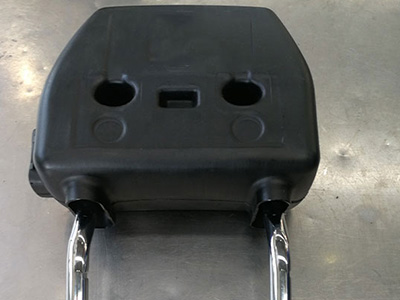
Suzhou blow molding is one of the third commonly used plastic molding methods and also a rapidly developing plastic molding method. Plastic products are widely used in various industries, and it can be said that Suzhou blow molded products have integrated into our lives.
Suzhou blow molding is a method of forming hollow products by placing extruded or injection molded pipe blanks in molds, blowing compressed air into the pipe blanks to make them tightly adhere to the mold cavity wall, and then cooling and demolding. This molding method can produce various packaging containers such as bottles, pots, buckets, daily necessities, and children's toys.
Influencing factors:
1) Blowing pressure
In blow molding, compressed air has two functions. Firstly, it causes the tube blank to expand and tightly adhere to the mold cavity wall, forming the desired shape; Secondly, it has a cooling effect.
Depending on the type of plastic and the temperature of the preform, the air pressure also varies, generally controlled between 0.2-0.7 megapascals. The most suitable pressure is to ensure that the shape, pattern, and other features of the product are clearly visible after molding.
For those with low viscosity and easy deformation, take lower values; For plastics with high viscosity and modulus, take higher values; Large volume and thin-walled products should be subjected to higher pressure; Small volume and thick walled products use lower pressure.
2) Inflation speed
In order to shorten the blowing time and achieve a more uniform thickness and better surface of the product, the inflation speed (the volume of air flowing through per unit time) should be as high as possible, but it should not be too high, otherwise it will have adverse effects on the product: firstly, it will create a vacuum at the air inlet, causing the concave part of the billet to sink, and when the billet is completely inflated, the concave part will form a diaphragm; Secondly, the billet in the mouth mold part may be pulled apart by extremely fast airflow, resulting in waste.
To achieve this, it is necessary to increase the diameter of the blowing tube or appropriately reduce the inflation speed.
3) Inflation ratio
The ratio of the size of the product to the size of the billet is usually referred to as the inflation ratio. When the size and weight of the billet are constant, the larger the size of the product, the greater the blowing ratio of the billet. The blowing ratio is determined based on the variety and properties of the plastic, the shape and size of the product, and the size of the preform. Usually, the inflation ratio is controlled at 2-4 times.
4) Mold temperature and cooling time
To ensure product quality, the temperature distribution of the mold should be uniform, and the mold temperature is generally maintained at 20-50 ℃. If the mold temperature is too low, it will reduce the extensibility of the plastic at the clamp, making it less prone to swelling and thickening the product in this area. At the same time, it will make molding difficult, and the contour and pattern of the product will not be clear. The mold temperature is too high, the cooling time is prolonged, and the production cycle is prolonged. The product undergoes demolding deformation and shrinkage increases.
The temperature of the mold depends on the type of plastic. When the glass transition temperature of the plastic is high, a higher mold temperature can be used; On the contrary, try to reduce the mold temperature as much as possible.
Usually, as the wall thickness of the product increases, the cooling time prolongs. Sometimes, in addition to cooling the mold, internal cooling of the molded product can also be performed by introducing various cooling media (such as liquid nitrogen, carbon dioxide, etc.) into the product for direct cooling.
5) Molding cycle
The cycle of blow molding processing in Suzhou includes processes such as extruding the billet, cutting the billet, closing the mold, blowing air, cooling, releasing air, opening horizontally, and taking out the product (subsequent trimming, matching, and packaging are included separately).
The process flow of large-scale blow molding includes plastic melting and plasticization, extrusion of pipe blanks, blowing of pipe blanks, cooling, mold opening, removal of products, trimming, and inspection. The control of product molding can be carried out from the following four aspects.
1. Inflatable pressure
In the process of large-scale blow molding, the introduction of compressed air has two functions: one is to use the pressure of compressed air to inflate the semi molten tube blank and tightly adhere to the mold cavity wall, forming the desired shape; Secondly, it has a cooling effect on blow molded products.
The air pressure depends on the type of plastic and the temperature of the preform, and is generally controlled between 0.2 and 1.0 MPa. For plastics with low melt viscosity and easy deformation, take a lower value; For plastics with high melt viscosity, the higher value is taken, and the billet wall thickness is also taken as a higher value. The blowing pressure is also related to the volume of the product. For large volume products, a higher blowing pressure should be used, while for small volume products, a lower blowing pressure should be used. The most suitable inflation pressure should be able to make the appearance and pattern of the product clear after molding.
2. Blowing speed
In order to shorten the blowing time, which is beneficial for obtaining a more uniform thickness and better appearance of large blow molded products, it is required to inject a large flow of air at a low airflow speed to ensure that the billet can expand uniformly and quickly in the mold cavity, shorten the cooling time in the mold cavity, and improve the performance of the product. Low airflow velocity can also prevent the occurrence of Wendoulli effect and local vacuum inside the billet, which can cause the billet to collapse. This can be ensured by using a larger blowing tube.
3. Inflation ratio
Blowing ratio refers to the ratio of the maximum diameter of a large blow molded workpiece to the diameter of the billet. When the size and quality of the billet are constant, the larger the size of the product, the greater the blowing ratio of the billet, but the thinner the thickness of the product. The inflation ratio is usually determined based on the type and properties of the plastic, the shape and size of the product, and the size of the preform. As the inflation ratio increases, the thickness of the product becomes thinner, the strength and stiffness decrease, and at the same time, forming becomes difficult.
4. Blow molding mold temperature
The temperature of blow molding molds has a significant impact on the quality (especially appearance quality) of large blow molded products. The temperature distribution of the mold should be uniform, and the product should be cooled as evenly as possible. The temperature of the mold is related to the type of plastic, the thickness and size of the product.
A few plastic molds should be temperature controlled in sections. Production practice has proven that if the mold temperature is too low, the elongation rate of the plastic at the clamp will decrease, making it difficult to inflate and thicken the product in this area. At the same time, it will be difficult to form, and the contour and pattern on the surface of the product will be unclear; If the mold temperature is too high, the cooling time will be prolonged, the production cycle will increase, and the productivity will decrease. If the cooling is not enough at this time, it will also cause product demolding deformation, increase shrinkage rate, and deteriorate surface gloss. Generally, for plastics with high molecular chain rigidity, the mold temperature should be higher; For plastics with high molecular chain flexibility, the mold temperature should be lower.

The deformation of blow molded products in Suzhou refers to their external shape deviating from the shape of the mold cavity, either convex or concave, longitudinal or radial, or local shape deviation. It is one of the common defects in blow molded products and also a comprehensive and difficult problem to deal with. The degree of deformation and excellent performance of blow molded products are important indicators for evaluating product quality. Due to the significant impact of deformation on production costs in blow molded products, they are receiving increasing attention and concern from the industry.
The greater the degree of deformation of blow molded products, the proportional decrease in satisfaction with their appearance and performance, and in severe cases, it can lead to product scrap. The deformation of blow molded products is not only detrimental to product quality, but also to the output and production cost of blow molded products. Therefore, the solution to deformation defects in blow molded products is an important topic for various Suzhou blow molding processing enterprises to explore in terms of technology.
There are many reasons for the deformation of blow molded products, and adjusting the process parameters alone is far from enough to solve it. Through long-term practical work experience and analysis and summary of relevant data, it is found that the thermal and physical properties of plastic materials, as well as the conditions and parameters of blow molding processes, have varying degrees of influence on the deformation of blow molded products. Therefore, comprehensive consideration and reasonable solutions are needed.
The influence of the thermophysical properties of materials on the deformation of Suzhou blow molding processing:
(1) The use of cyanide pigments in blow molded plastic processing formulas can affect the crystallinity of polyethylene and cause deformation of the product;
(2) The original color blow molded products produced from raw materials without adding any pigments are not easily deformed, which can improve the quality and output of the products;
(3) Using plastic with low melting point and good fluidity can improve product quality and yield due to its low shrinkage rate, fast cooling, and resistance to deformation.
The influence of product wall thickness difference and cooling on the deformation of Suzhou blow molding processing:
(1) The structural design of blow molded products directly affects the wall thickness difference and cooling of the products. The large difference in wall thickness leads to a large difference in cooling rate and deformation.
The wall thickness of the transition part of the product structure where there is a sudden change is small, and vice versa, the wall thickness is large. Therefore, the transition part of the blow molded product structure needs to be smooth, avoiding sharp corners and edges. If there is a large difference in wall thickness due to the special structure of the product, cooling should be strengthened at the thick wall and the cooling circuit of the mold should be set according to the cooling requirements;
(2) The greater the difference in wall thickness between the longitudinal and radial positions of blow molded products in Suzhou, the easier it is to deform.
The shrinkage formed at the clamping line position of blow molded container products is more severe than that of adjacent positions, which means that the cooling rate in thicker areas is much slower than that in surrounding areas. The difference in cooling rate leads to different shrinkage and deformation. This defect can be solved by using both servo longitudinal wall thickness control and servo radial wall thickness control, but the equipment cost is relatively high.
Radial wall thickness control can also be replaced by trimming the core mold of the machine head, but the effect is not satisfactory. For small and medium-sized blow molded containers with flat and square shapes, the wall thickness difference of blow molded products can be reduced by slightly increasing the size of the mouth mold and core mold, in order to achieve shrinkage balance and solve deformation defects.
The influence of molding process on the deformation of Suzhou blow molding processing:
(1) The temperature of the extruder barrel, head, and mold should not be too high, as high temperatures can cause slow cooling and easy deformation of blow molded products;
(2) Insufficient cooling time during molding leads to uneven cooling and deformation of blow molded products after being molded;
(3) According to the shape requirements of the product, finely adjust the servo wall thickness curve to make the wall thickness of the product as uniform as possible;
(4) Use a chiller to supply water to the mold for circulating cooling, improving the cooling effect;
(5) Improper adjustment of the mold opening stroke parameters can cause deformation of the product during mold opening.
The impact of poor demolding on the deformation of Suzhou blow molding processing:
(1) Insufficient demolding slope of blow molded container recesses (such as under the handle, bottom grooves, etc.) can cause deformation during mold opening;
(2) Poor cooling of the mouth of blow molded containers or excessively long burrs can cause deformation during mold opening;
(3) The different sandblasting effects on the two sides of the blow molded container mold can cause deformation when the product is attached to the mold with better sandblasting during mold opening.
The impact of uneven force on the extrusion device on the deformation of Suzhou blow molding processing:
When producing blow molded board products, it is generally necessary to design an ejector device on the mold. Uneven force during ejection can cause deformation of the product. When designing the ejection device, efforts should be made to balance it with the demolding resistance. It would be better to combine pneumatic or hydraulic pressure with mechanical methods.
The impact of premature sealing of the mouth on the deformation of Suzhou blow molding processing:
The newly produced product has not been fully cooled yet. If the mating part is covered too early and fully sealed, it will cause deformation of the product due to different internal and external cooling rates and atmospheric pressure.
The influence of stress on the deformation of Suzhou blow molding processing:
Residual stress, shear stress, and cooling stress during the molding process of blow molded products in Suzhou can also cause deformation defects in blow molded products. Due to its complexity, it will not be elaborated here.
Conclusion: Different degrees of impact. The handling of deformation defects in blow molded products in Suzhou needs to be comprehensively considered and reasonably resolved, providing strong guarantees for the quality, output, and cost of blow molded product production.
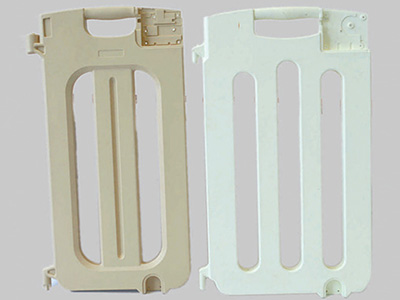
Carbonization of plastic products can have serious adverse effects on product quality and production costs. For Shanghai blow molding product manufacturers, it is of great significance to effectively prevent and solve the carbonization problem of plastic products.
1. Reasons and processes of carbonization
In the actual production of blow molded products in Shanghai, it is generally necessary to isolate the feed inlet before shutdown, remove the plastic melt from the extruder and head, turn off the temperature in each area, and then turn off the power.
Due to the strong adhesion of plastic melt to metal, it is impossible to completely eliminate it during each shutdown. In the end, a thin layer of plastic melt will firmly adhere to the inner wall of the extruder barrel, head, and screw. After shutdown, the equipment will naturally cool down and remain in a high temperature state for a long time during the next heating process, resulting in significant thermal degradation, gradually turning yellow and transforming into carbides.
According to the conventional shutdown method, effective sealing measures were not taken at both ends of the die and feed ports of the machine head, resulting in air entering the machine and causing oxidation, which exacerbated the thermal degradation of residual plastic inside the machine and provided favorable conditions for carbonization. Due to the metal structure of the equipment, there is a significant difference in its thermal expansion rate compared to plastic. Carbonized plastic has reduced adhesion to metal and is prone to detachment from the inner walls of the equipment's barrel, head, and screw, mixing into the plastic melt. This results in numerous black spots on the inner and outer walls of the product, making it prone to quality issues such as perforation or leakage.
2. Carbonization solution
2.1 Cleaning inside the machine
After a long shutdown, heating and restarting can easily cause many large and small black spots on Shanghai blow molded products, which cannot meet the quality requirements of the products. These black spots are the carbides of residual plastic after thermal degradation inside the machine. Usually, a washing method is adopted to clean the machine by continuously extruding plastic and removing plastic melt with black spots, with a washing time of up to 3-5 hours. If the original ultra-high molecular weight plastic is carbonized and the original color products are produced, it will greatly increase the difficulty of washing the machine, make the washing time longer, and increase the washing cost.
To quickly clean the carbides inside the machine, it is necessary to use harder plastics or their recycled materials with white mineral oil for cleaning, and increase the temperature by 10-15 ℃ appropriately.
At this point, it is necessary to consider the plasticizing ability of the small extruder on the plastic. For large and medium-sized extruders capable of plasticizing ultra-high molecular weight plastics, ultra-high molecular weight plastics or their recycled materials can be cleaned with white mineral oil.
Because ultra-high molecular weight plastics have good hardness, and when the temperature is high, the cleaning object will be softened, making it easy to fall off, which is beneficial for carbides to be carried out by the plastic melt.
During the cleaning process, the speed of the extruder is repeatedly switched between low and high speeds. If there is still excess load on the motor, the extruder can be repeatedly stopped and restarted multiple times during operation to further improve the cleaning effect. When the carbides (black spots) in the melt are significantly reduced, replace the commonly used plastic and clean it until it is clean, gradually adjust to the appropriate temperature, and then normal production can be achieved.

2.2 Disassembly and Cleaning
It is relatively easy to clean the carbides inside the extruder using the in machine cleaning method, but it is difficult to clean the carbides inside the storage type head of Shanghai blow molding equipment.
Because the extruder has a simpler internal structure, the storage type head of Shanghai blow molding processing equipment has a more complex internal structure, and the equipment has been in use for too long, making it more difficult to clean.
In this situation, disassembly and cleaning are imperative. Raise the temperature of the machine head to a sufficient level, then turn off the power and disassemble all assembly parts of the machine head. Clean the plastic melt inside the machine head with a copper sheet, remove burnt carbides with a metal brush, and then polish all assembly parts with sandpaper or a flower impeller before assembly. Although the disassembly and cleaning effect is good, it takes a long time and is labor-intensive, so it is generally not easy to use this disassembly and cleaning method.
3. Preventive measures for carbonization
3.1 Temperature and Time Control
The processing temperature of blow molded products in Shanghai is determined according to the plasticization requirements of raw materials and products, and cannot be too high or too low. Low temperature can lead to excessive load, as well as defects such as water streaks and weld marks on the product's appearance.
If the temperature is too low, the fluidity of the melt will be poorer, which will have a significant impact on the glossiness of the product surface and the filling of the corners; If the temperature is too high, and sometimes there is a temporary shutdown for two hours or even several hours, it is easy to cause carbonization of the molten material inside the machine. In this case, the constant temperature should be between 100-120 ℃, and it is necessary to heat it up to the required temperature before starting up to prevent carbonization caused by sudden temperature rise or long insulation time during shutdown.
3.2 Heating and startup operation control
Usually, a one-step heating method is used, which means that after setting the temperature, the equipment is continuously heated to the set temperature, depending on its size, and then kept at a constant temperature for 1-3 hours before starting up. This method is prone to carbonization of residual plastic inside the machine.
If the step heating method is used and the temperature is raised in stages, the effect is much better. For example, set the temperature to 100 ℃ at the beginning, adjust the temperature to 130 ℃ after constant temperature, and then adjust the temperature to 170 ℃ after constant temperature. Gradually increase the temperature according to the time period until it reaches the desired temperature. Small and medium-sized devices can be turned on once they reach the required temperature, and of course, relevant supporting preparations need to be made in advance. After reaching the required temperature, large equipment needs to be kept at a constant temperature for 1-2 hours before starting up.
When starting up, pay attention to gradually increasing the speed of the extruder from 1 to 5 revolutions per minute, slowly opening the feeding port, and constantly monitoring the current value displayed on the extrusion ammeter. If the load is too large, the constant temperature time should be appropriately extended to gradually increase the temperature. When it can be turned on, it should be turned on as early as possible to prevent residual plastic in the machine from carbonizing in the long waiting time due to sudden high temperature.
Today, the editor of Kunshan Juxinchang Company will talk about some basic knowledge of blow molding and injection molding molds in Suzhou.
Blow molding is a method of producing hollow thermosetting plastic products in Suzhou. The widely circulated injection molding targets include bottles, barrels, cans, boxes, and all containers used for packaging food, beverages, skincare products, medicines, and daily necessities. Large injection molded containers are generally used for packaging chemical raw materials, lubricants, and bulk raw materials. Other blow molded products include balls, metal corrugated tubes, and small toys. For the mechanical manufacturing industry, fuel tanks, car shock absorbers, seat backs, management center fixed brackets and their guardrails, and car headrest covers are all injection molded. For the mechanical equipment and furniture manufacturing industry, injection molded parts include casings, door frames, frames, pottery, or boxes with an open surface to the outside world.
Suzhou blow molding processing of high polymers
The general raw material for plastic blow molding in Suzhou is high-density high-pressure polyethylene, and the vast majority of milk cartons are made using this type of high polymer. Other polyolefins are also often produced and processed by injection molding. According to their main applications, butadiene polymers, polyethylene, polyester, polyurethane materials, polycarbonate, and other thermosetting plastics can also be used for injection molding.
Recently, rubber products have been widely accepted in the automotive manufacturing industry. The selection of raw materials is based on mechanical strength, aging resistance, electrical properties, electronic optical properties, and other characteristics.
Suzhou blow molding processing technology
About 3/4 of the products processed by blow molding in Suzhou are produced and manufactured by extrusion injection molding. Extrusion processing technology forces raw materials to produce goods according to a hole or grinding tool.
The extrusion injection molding process consists of 5 steps: 1. Plastic preform (extrusion of hollow plastic hoses); 2. Close the petal shaped grinding tool on the embryo, clamp the grinding tool and disconnect the embryo; 3. Inflate the cold wall of the mold core, adjust the opening, and maintain a certain working pressure during the cooling period; 4. Turn on the grinding tool and remove the blown parts; 5. Repair the burrs to obtain finished products.
Some basic knowledge of Suzhou blow molding and injection molding molds has been mentioned by Kunshan Juxinchang Company. Next time, we will introduce other professional knowledge again.

At present, most of the molds on the market are injection molds, and many products are made through molds. Today, the editor will introduce to you the characteristics of blow molding and injection molds?
1. The rationality of design, manufacturing, geometric shape, and structural dimension design directly affects the rheological properties and filling effect of polymer melt in the mold channel, ultimately affecting the forming quality of plastic parts. In the early stage of design and development, there are many uncertain factors. Firstly, experienced professionals are required from the initial design stage, most of whom rely on the knowledge and experience accumulated by mold designers.
2. Controlling the mold temperature involves heating the mold to the working temperature and maintaining a constant mold temperature at the working temperature.
3. Injection molds can form multiple plastic parts with complex structures, precise dimensions, and good internal quality at once, and therefore have been widely used in the production of plastic products.
4. The occurrence of phenomena such as jet flow, warping deformation, weld marks, and under injection is closely related to the design of the pouring system.
The characteristics of blow molding and injection molding are as follows: Juxinchang Company's main products include automotive parts, toolboxes, massage chair equipment components, cold insulation products, sports equipment components, medical equipment and equipment components, children's toys, safety seats, and indoor and outdoor household products. If you have any needs in this area, please feel free to consult us online, and we will be dedicated to serving you!
The blow molding machines in blow molding factories have differences between large, medium, and small sizes, as well as differences between injection molding and extrusion molding. Different production and processing methods can produce different products. Therefore, the editor of Kunshan Juxinchang Company will interpret them separately below.
Small and medium-sized blow molding machines in blow molding factories
The small and medium-sized blow molding machines in blow molding factories can produce and manufacture various types of glass bottles, pottery jars, barrels, pots, hollow chairs, beverage bottles, as well as special-shaped hollow products. In fact, the actual production of which products to manufacture mainly depends on the mold, which determines the appearance or specifications of the products produced.
According to different raw materials, the blow molded products produced by blow molding factories are also different. For example, most hollow toys or glass bottles are made of PE or PP. Pure water or beverage glass bottles and other fully transparent containers are all made of PET, and each blow molding manufacturer needs to select suitable raw materials according to the products they produce.
Products of large and medium-sized blow molding machines in blow molding processing plants
The large and medium-sized blow molding machines in blow molding factories can produce a wide range of products. For example, some traffic safety facilities such as road cones, traffic warning posts, water horses, and collision prevention buckets can all be made.
It can also produce and manufacture large and medium-sized industrial production vessels, as well as specialized water storage tanks for storing liquid raw materials. For example: plastic water buckets IBC、 Precipitation box, three-dimensional double ring bucket, trailer, outer cover, gas tank, etc.
There are also some floats made of high-pressure polyethylene, which has excellent impact resistance. It can not only prevent ultraviolet light but also resist corrosion, cold and freezing.
Besides these products, what other products can be produced and manufactured by blow molding machines in blow molding factories? For example, plastic chairs made in large and medium-sized sports venues are also one of the products of blow molding machines. Even after being exposed to the sun for many years, it still maintains a bright color tone, and many sports and cultural factories use blow molding machines from blow molding factories to mass produce and manufacture equipment.
There are also some simple small toys, such as spherical shapes, fresh fruit shapes, and remote-controlled car tires, which are also products of blow molding machines.
The editor of Kunshan Juxinchang Company briefly summarized that the types of products that can be produced and manufactured by blow molding factories depend on the type of blow molding machine, such as automatic, fully automatic, injection molding blow molding machines, etc. According to different products, suitable equipment should be selected.
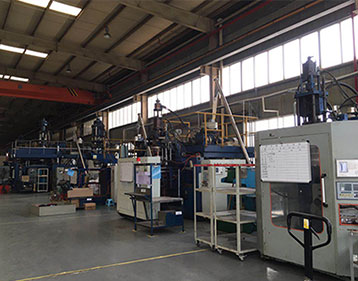
How is the blow molding processing fee calculated? Today, Kunshan Juxinchang editor will give you a detailed answer, as follows:
Fixed cost: Fixed cost refers to the cost that must be incurred regardless of production, as long as the factory is open and running. This cost is calculated in yuan and is calculated as: single machine/yuan/day, with three decimal places (RMB: li).
Fixed cost estimation is only applicable to pure blow molding enterprises.
If the enterprise covers other production processes such as blow molding, mold manufacturing, and finished product assembly, its infrastructure and other costs should be reasonably divided and calculated.
1. Depreciation of factory buildings
Self owned factory: total cost ÷ 30 years ÷ 300 days
Renting a factory: Annual rent ÷ 300 days
2. Depreciation cost of blow molding machine
Total price of machinery and equipment ÷ 10 years ÷ 300 days
3. Infrastructure maintenance costs
Total annual maintenance cost ÷ 300 days
4. Maintenance cost of blow molding machine
Total annual maintenance cost ÷ 300 days
5. Financial expenses
Annual attached interest amount ÷ 300 days
6. Management fees
Annual total expenditure ÷ 300 days
7. Distribution of electric transformers
Annual total expenditure ÷ 300 days
8. Unforeseeable expenses
9. Other
10. Subtotal 1+2+3+... 9=X yuan/day
The content and formula explanation of Kunshan blow molding processing:
30 years: The design service life of general factory buildings is 30 years
Total blow molding capacity: the sum of the blow molding volumes of all blow molding machines in the factory.
300 days: One year's valid working days are calculated based on 300 days.
10 years: The service life of blow molding machines and related equipment is calculated as 10 years.
Infrastructure maintenance costs: generally estimated at 2% of the total infrastructure value.
Machine and equipment maintenance costs: generally estimated at 3% of the total value of the machine and equipment.
Management expenses: the total amount of administrative staff salaries, hospitality expenses, travel expenses, transportation expenses, certificate fees, etc.
Distribution of electric transformers: Fixed expenses for independent transformers.
Variable costs of blow molding processing in Kunshan:
Variable cost refers to the cost directly incurred in the product itself, measured in yuan.
Calculated to: yuan/piece (delivered qualified products), rounded to three decimal places (RMB: cents).
Kunshan blow molding processing fee:
1. A single machine can produce molds every day (24 hours). The measured number of molds is multiplied by a qualified product rate of 95%=A (note: A refers to the daily output of a blow molding machine)
2. Worker wages: Total wages for three shifts per day ÷ A=A1
3. Electricity fee: Total electromechanical capacity x 0.75 x 24 ÷ A=A2
4. Fixed cost: Amortization Z yuan/day ÷ A=A3
5. Basic processing fee per mold: A1+A2+A3=B
Raw and auxiliary material costs:
1. Raw material cost: The unit weight of raw materials multiplied by the gross weight of the product equals D yuan per piece
2. Auxiliary material cost: Total consumption of three shifts ÷ A=E yuan/piece
3. Single product packaging fee: calculated based on actual measurements, F yuan/piece
4. Transportation fee: calculated based on actual measurement, G yuan/piece
5. Secondary processing fee: calculated based on actual measurement, H yuan/piece
Total cost:
Independent product: B+D+E+F+G+H==K yuan/piece
Processing of incoming materials: B+E+F+G+H==L yuan/piece
Profit and taxes, etc.:
The content of this item depends on the specific situation of each enterprise.
The cost accounting of blow molded products may seem complex, but in reality, with just a few more calculations, patterns can be found. According to the rules, an estimated value of processing fees can be obtained, which makes it easy to apply. How is the blow molding processing fee calculated? Today, Kunshan Juxinchang editor will give you a detailed answer, as follows:
Fixed cost: Fixed cost refers to the cost that must be incurred regardless of production, as long as the factory is open and running. This cost is calculated in yuan and is calculated as: single machine/yuan/day, with three decimal places (RMB: li).
Fixed cost estimation is only applicable to pure blow molding enterprises.
If the enterprise covers other production processes such as blow molding, mold manufacturing, and finished product assembly, its infrastructure and other costs should be reasonably divided and calculated.
1. Depreciation of factory buildings
Self owned factory: total cost ÷ 30 years ÷ 300 days
Renting a factory: Annual rent ÷ 300 days
2. Depreciation cost of blow molding machine
Total price of machinery and equipment ÷ 10 years ÷ 300 days
3. Infrastructure maintenance costs
Total annual maintenance cost ÷ 300 days
4. Maintenance cost of blow molding machine
Total annual maintenance cost ÷ 300 days
5. Financial expenses
Annual attached interest amount ÷ 300 days
6. Management fees
Annual total expenditure ÷ 300 days
7. Distribution of electric transformers
Annual total expenditure ÷ 300 days
8. Unforeseeable expenses
9. Other
10. Subtotal 1+2+3+... 9=X yuan/day
The content and formula explanation of Kunshan blow molding processing:
30 years: The design service life of general factory buildings is 30 years
Total blow molding capacity: the sum of the blow molding volumes of all blow molding machines in the factory.
300 days: One year's valid working days are calculated based on 300 days.
10 years: The service life of blow molding machines and related equipment is calculated as 10 years.
Infrastructure maintenance costs: generally estimated at 2% of the total infrastructure value.
Machine and equipment maintenance costs: generally estimated at 3% of the total value of the machine and equipment.
Management expenses: the total amount of administrative staff salaries, hospitality expenses, travel expenses, transportation expenses, certificate fees, etc.
Distribution of electric transformers: Fixed expenses for independent transformers.
Variable costs of blow molding processing in Kunshan:
Variable cost refers to the cost directly incurred in the product itself, measured in yuan.
Calculated to: yuan/piece (delivered qualified products), rounded to three decimal places (RMB: cents).
Kunshan blow molding processing fee:
1. A single machine can produce molds every day (24 hours). The measured number of molds is multiplied by a qualified product rate of 95%=A (note: A refers to the daily output of a blow molding machine)
2. Worker wages: Total wages for three shifts per day ÷ A=A1
3. Electricity fee: Total electromechanical capacity x 0.75 x 24 ÷ A=A2
4. Fixed cost: Amortization Z yuan/day ÷ A=A3
5. Basic processing fee per mold: A1+A2+A3=B
Raw and auxiliary material costs:
1. Raw material cost: The unit weight of raw materials multiplied by the gross weight of the product equals D yuan per piece
2. Auxiliary material cost: Total consumption of three shifts ÷ A=E yuan/piece
3. Single product packaging fee: calculated based on actual measurements, F yuan/piece
4. Transportation fee: calculated based on actual measurement, G yuan/piece
5. Secondary processing fee: calculated based on actual measurement, H yuan/piece
Total cost:
Independent product: B+D+E+F+G+H==K yuan/piece
Processing of incoming materials: B+E+F+G+H==L yuan/piece
Profit and taxes, etc.:
The content of this item depends on the specific situation of each enterprise.
The cost accounting of blow molded products may seem complex, but in reality, with just a few more calculations, patterns can be found. According to the rules, an estimated value of processing fees can be obtained, which makes it easy to apply.

Blow molding processing is widely accepted by many enterprises because it can effectively reduce costs. In the plastic industry, compared with injection molding, blow molding processing has lower costs. Therefore, blow molding processing has developed rapidly, and products processed by blow molding are also abundant in the market, such as children's toys, packaging, engineering facilities industries, etc.
In blow molding processing, factors such as finished product planning, inflation ratio, rounded corners, and polished appearance need to be considered. Specific attention should be paid to the following points:
1. The orientation of the mold line. Before opening the mold, engineers need to design how to divide the mold, which directly affects the appearance and quality of the product.
2. Determine the purpose of the product, blow molded products require as few components as possible, which can reduce the cost of the finished product.
3. Inflation ratio. During inflation, special attention should be paid to areas with extremely thin wall thickness and geometric shapes, as these areas may experience protrusions or indentations.
4. It is necessary to carefully consider the orientation of inserts, exhaust slots, intake needles, top pin holes, engraving, and labels.
5. The slope of the finished product must be well controlled, and there should be a certain slope parallel to the direction of mold movement, which is convenient for the finished product.
The above is an introduction to the issues that need to be paid attention to in blow molding processing. We hope this article can be helpful to you. Blow molding products, regardless of size, require a lot of manpower and material resources, so they should be taken seriously. Otherwise, it is easy to produce products that do not meet the requirements. Only by taking them seriously and implementing them in detail can we make good products.

手机

留言

抖音




 语言选择
语言选择 
 189-1326-9266