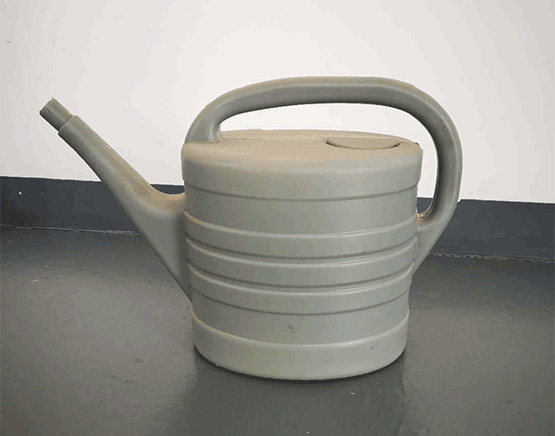
The blow molding process requires constant adjustment. The purpose of these adjustments is to ensure that the product meets the requirements of small wall thickness while maintaining as uniform a wall thickness as possible. This approach helps reduce material consumption and achieves a high cost-performance ratio in terms of input and output. Today, our editor will introduce some key considerations for blow molding processing?
Points to note for blow molding processing:
1. Utilize the established computer model to simulate the conditions of blow molding molds, feeding parisons, clamping plates, etc.
2. Input the parameters that affect the parison wall thickness distribution in each stage.
3. Analyze the obtained simulation results, and reveal through computer simulation which parts have wall thicknesses that fail to meet the requirements, and which parts have excessive wall thicknesses.
4. Utilize artificial intelligence, adjust the input parameters, and repeat the processes of ① to ③ to ensure that the wall thickness of each part of the product is minimized as much as possible while achieving the minimum wall thickness.
5. Analyze and compare the outcomes of multiple process plans to ultimately determine the optimized process parameters. Stretch blow molding, also known as biaxial orientation blow molding, involves mechanically stretching the parison in the axial direction and inflating (stretching) it radially with compressed air to form packaging containers under the high elasticity of the polymer. Stretch blow molding can be performed in one step or two steps.
What issues should be considered in blow molding processing? The editor mentioned above has provided a brief introduction on this topic, hoping to be of some help to you. If you wish to know more, you can read other articles on this website. If you have any needs related to blow molding processing, you can contact us online, and we will be happy to serve you!

In the plastics industry, many companies, in order to save costs, often consider using blow molding as a manufacturing process for hollow products. Compared to injection molding, this method significantly reduces costs, which is why blow molding has experienced rapid development. However, in practice, the effectiveness of blow molding is often influenced by various factors. Next, the editor from Kunshan Juxinchang Company will summarize these factors for you.
The range of products processed by blow molding is very extensive, such as in the toy industry, packaging industry, electrical appliance industry, and other industries. Factors involved in the blow molding process, such as the position of the mold split (parting line), product slope, product layout, blow ratio, fillets, and appearance decoration, are considerations for mold engineers and blow molding engineers.
1、The position of the parting line: Before mold opening, the mold engineer needs to carefully consider how to part the mold, as this will affect the subsequent demolding of the product and its appearance.
2、The slope of the product: All surfaces parallel to the direction of mold movement should have a certain slope, which should be suitable for easy mold opening and convenient product removal.
3、Check all functionalities: When used as a product, the fewer components and assembly work, the better, as it can reduce product costs.
4、Blow molding ratio: During blow molding, pay attention to areas with very thin geometric shapes that may cause bulges or indentations. When the ratio of width to depth is too large, vacuum forming can be used as an auxiliary method.
5、Radius principle: Avoid sharp edges, corners, sudden changes in surface, and sudden transitions in product diameter or wall thickness.
6、The position of other inserts, vent slots, air intake needles, ejector pins, lettering, and labels should be carefully considered.
In summary, whether it's a small or large blow molding product, the effort and time required before development cannot be reduced. The editor from Kunshan Juxinchang Company reminds everyone to carefully consider the factors that may affect the blow molding processing effect, so as to ensure that every blow molding product matches both appearance and function well.
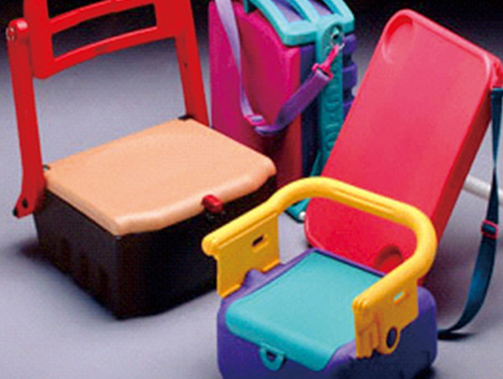
1. Key points of process control for blow molding in Suzhou

1) For extrusion blow molding
Pay attention to controlling the sagging phenomenon and wrinkling defects of the billet. If the vertical extension is too long, the wall thickness will decrease and the amount of residual material removed will also increase; If the vertical extension is not enough and the billet is too short, it cannot be inflated.
2) Wrinkling phenomenon
When the billet descends to a certain length, circumferential stress occurs due to the inability of the upper melt of the billet to bear its own weight; Generally, high melt strength, small expansion of billet diameter, high extrusion rate, and larger die gap all contribute to improving wrinkles.
3) Uneven wall thickness
Another issue is that when the billet descends, the wall thickness is uneven. Usually, a hexagonal nut is installed on the die of the machine head to adjust the gap between the core rod and the die.
4) Make sure to exhaust properly
To achieve good surface quality of the parts, attention must be paid to exhaust. For example, PE material is sandblasted on the surface of the mold with a particle size of less than 180 #, while blow molds made of hard plastic have exhaust holes, exhaust needles, and exhaust grooves; In addition, increasing the inflation pressure can also help improve the appearance of the product.
2. Defect elimination in Suzhou blow molding processing
1) Wrinkles
Check if the head die and core rod are coaxial
Reduce the temperature of the billet
Increase the die gap or molding section length of the machine head
Choose polymers with smaller expansion of the preform
2) Uneven length
Check for bridging of raw materials in the feeding hopper
Check if the temperature in the feeding section of the barrel is too high
Check for fluctuations in screw speed
Increase the back pressure of the extruder
Check the temperature control device of the extruder and head
Check for wear on the screw and barrel
Check if the recycled and new materials are mixed evenly
Check if the filter screen is cracked or partially blocked by magazines
3) Bubble hole
Strictly dry hygroscopic polymers
Heat the raw materials in the hopper to remove moisture
Reduce the water cooling capacity at the inlet of the extruder
Check and remove impurities from the raw materials
Clear the material accumulation inside the extruder and head, avoid explanation
Increase the back pressure of the extruder
4) Stripes
Remove impurities from raw materials
Remove impurities accumulated inside the machine head
Avoid material accumulation and explanation
Reduce the temperature of the billet
Polish or replace the die of the machine head
Replace the burnt heating coil
5) Gel
Screen out the fines from the recycled materials
Dry raw materials
Improve the dispersion and mixing performance of the screw and reduce the barrel size
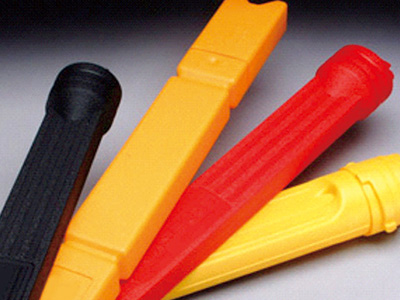
In the entire process of blow molding products in Shanghai, many technical difficulties are encountered. Below, the editor of Kunshan Juxinchang Company will discuss with everyone the reasons for this problem and the corresponding solutions. We look forward to providing some opinions and suggestions for everyone to solve the difficulties.
1、 Uneven vertical wall thickness of finished products during blow molding processing in Shanghai
Causes:
① The weight sag of the billet is quite severe
② The diameter difference between the two vertical sections of blow molded products is too large
Solution:
① Reduce the temperature of the preform melt, increase the extrusion rate of the preform, adjust the use of epoxy resin with lower melt flow rate, and adjust the preform control equipment
② Moderately modify the product design plan and use bottom blowing method for forming
2、 Uneven horizontal wall thickness of finished products during blow molding processing in Shanghai
Causes:
① Billet extrusion tilting
② There is a significant temperature difference between the top block and the mold core inside and outside
③ Asymmetric product appearance design
④ The blowing ratio of the billet is too high
Solution:
① Adjust the gap width deviation of the mouth mold to make the wall thickness of the billet uniform; Before closing the mold, straighten out the broken shape
② Raise or decrease the heating temperature of the mold sleeve to improve the temperature error inside and outside the mouth mold
③ Before closing the mold, pre clamp and pre expand the billet to moderately offset it towards the thick walled direction
④ Reduce the blowing ratio of the billet
3、 When blow molding products in Shanghai, orange peel like patterns or black spots appear on the surface of the finished product
Causes:
① Poor exhaust of the mold
② Plastic mold water seepage or condensation in plastic mold concave mold
③ Poor melting of the billet causes cracking of the melt
④ Inflatable air pressure
not enough
⑤ The inflation speed is relatively slow
⑥ The inflation ratio is very small
Solution:
① Plastic mold blanks undergo sandblasting treatment and are equipped with exhaust holes
② Repair plastic molds and adjust the cooling temperature of the plastic molds to above the dew point
③ Reduce the screw speed of the extruder and increase the heating temperature of the extruder
④ Raise the inflation pressure
⑤ Clean the compressed air channel and check if there is any air leakage in the blowing rod
⑥ Adjust the mold sleeve and core to improve the blowing ratio of the billet
There is no doubt that blow molding products in Shanghai will continue to encounter many other difficulties. If it is not easy to handle, you can consult the editor of Kunshan Juxinchang Company online.
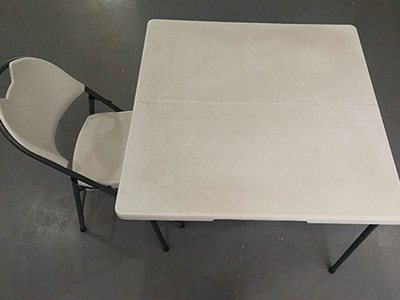
Blow molding is one of the plastic processing techniques, which has developed rapidly and is generally referred to as hollow blow molding. Blow molding products have a wide range of applications and are also consumables in daily life. The editor of Kunshan Juxinchang Company has learned that it is mainly used as a container for storing food, beverages, skincare products, medicines, and daily necessities.
The commonly seen drinking water buckets are also made of PC plastic blow molded processing, and the blow molded buckets produced have high specifications for the external shape, especially whether the appearance is clean or not. This product standard directly affects the sales volume and competitiveness of blow molded products, so choosing a suitable whitening agent is particularly important.
Firstly, mastering the plastic blow molding processing technology is relatively simple compared to other plastic processing technologies, with five basic processes involved
1. Plastic preform;
2. Close the petal shaped grinding tool on the embryo, clamp the grinding tool and disconnect the embryo;
3. Inflate the cold wall of the mold core, adjust the opening, and maintain a certain working pressure during the cooling period;
4. Turn on the grinding tool and remove the blown parts;
5. Repair the burrs to make finished products.
The above is the process flow of blow molding processing. The process of adding whitening agents involves mixing the materials before production and manufacturing, using a mixer to mix evenly, and then proceeding with production and processing. By utilizing this meticulous processing technology, whitening agents can have significant whitening and brightening effects.
So, which whitening agent to choose?
The most effective whitening agent commonly used on PC blow molding barrels nowadays is OB-1. It can make blow molded products achieve bright colors that satisfy customers.
One basic characteristic of whitening agent OB-1 is its exceptional heat resistance, which matches the production and manufacturing temperature of plastic blow molding. Moreover, it has good reliability and is not easily prone to yellowing. It has high compatibility with plastic and a more significant whitening effect.
In addition, the cost of using fluorescent whitening agents is relatively low. The editor of Kunshan Juxinchang Company suggests that the daily increase should be around 300 grams per ton of material produced and manufactured. While improving the level of blow molded products, it will not increase the cost too much.
Most thermoplastic materials can be produced by blow molding to produce blow molded plastic films. Blow molding factories produce plastic films by kneading the plastic into thin tubes, then inflating the plastic with air compression while it is hot, and finally cooling and shaping it to obtain cylindrical plastic film products. The characteristics of this type of plastic film are intermediate between oriented film and cast film: the compressive strength is better than cast film, and the heat sealing performance is worse than cast film. There are many types of plastic films produced and manufactured by blow molding factories, such as low-density polyethylene, PP polypropylene, high-density polyethylene, polyester, butadiene formic acid butadiene polymer, etc. Here, the editor of Kunshan Juxinchang Company will briefly explain the blow molding production process of common low-density polyethylene films.
Raw materials for producing polyethylene film in blow molding factories:
The raw material used should be blown film grade polyethylene resin particles with appropriate lubricants to ensure the opening of the plastic film.
2. The melt index of epoxy resin particles should not be too high. If the melt index is too high, the viscosity of the melted epoxy resin will be very low, the production and processing scope will be narrow, the production and processing standards will be uncontrollable, and the film-forming ability of epoxy resin will be poor, making it difficult to produce and process films;
In addition, the melt index is too high, the relative molecular weight distribution of the polymer is too narrow, and the compressive strength of the plastic film is weak.
Therefore, epoxy resin raw materials with lower melt index and wider relative molecular weight distribution should be used, which can consider the characteristics of plastic film and ensure the production and processing characteristics of epoxy resin. Blow molded polyethylene film generally uses polyethylene raw materials with a melt index in the range of 2-6g/10min.
Key points for manipulating the production process flow of blow molding factories:
The production process of blow molded plastic film in blow molding processing plants is roughly as follows:
Material silo feeding → raw material melting and extrusion → inflation traction belt → air ring cooling → herringbone clamp → traction belt roller traction belt → corona treatment → plastic film unwinding
However, the editor of Kunshan Juxinchang Company believes that the characteristics of blow molded plastic film are closely related to the main parameters of the production process of the blow molding factory. Therefore, it is necessary to enhance the control of the main parameters of the processing technology during the entire blown film process, standardize the actual operation of the processing technology, ensure the smooth development of production and manufacturing, and obtain high-quality plastic film products.
Blow molding processing inevitably encounters certain problems in the daily production process, mainly because the products produced often have some defects. Today, the editor will introduce four common problems of blow molding processing products, mainly divided into the following four aspects:
1. Insufficient attention. This situation is often caused by inaccurate adjustment of the screw position at the beginning, or by low melt temperature, insufficient mold temperature, or low secondary injection pressure and rate. If it is caused by the above two problems, adjustments can be made.
2. The uneven color of the product is often caused by dead corners in the mold, prolonged residence time of raw materials in the barrel, uneven plasticization, and other issues. These situations can be gradually eliminated.
3. There are wrinkles at the far end of the gate. This situation is often caused by the mold being too large and the raw materials flowing through early cooling, so it is important to control the temperature during the blow molding process.
4. Demoulding deformation. This is very easy to understand, often caused by multiple factors such as deformation during the trial molding stage, uneven raw materials, incorrect angles, etc. At the same time, if the cooling time is very short and the model does not cool properly before peeling off, it can also lead to deformation.
The above is an introduction to the "four common problems in blow molding products". Blow molding is a relatively delicate industry, especially for plastic parts. If there is slight discomfort, it can lead to installation problems. Therefore, these four problems should be avoided as much as possible during processing, and precision should be achieved as much as possible.
Kunshan Juxinchang was founded in 2016 and has over ten years of professional factory management and rich experience in blow molding processing. We can solve your problems and relieve your worries. If you have any needs in this area, please contact us and we will be dedicated to serving you!
Blow molding can produce various plastic products, and compared with other manufacturing methods, the price of blow molded products is also different due to different processing techniques. So, what are the factors that determine the price of blow molded products? The editor has summarized that we need to consider the following aspects in general:
1. The price of raw materials for processing products. This is the primary factor, the cost of raw materials is the fundamental factor determining their price, and the price of plastic raw materials is closely related to international crude oil prices. Generally, as crude oil prices rise, raw material prices will also rise.
2. The quality of raw materials, like plastic, varies in price depending on the quality. Products made from inferior plastic processing have lower prices.
3. The weight of the product itself is the second factor affecting the price. The heavier the product, the more raw materials are used, and therefore the price naturally increases.
4. The distance between the production location and the receiving location mainly affects transportation costs. The farther the distance, the longer the transportation route required, and the higher the transportation costs, resulting in naturally higher product prices.
5. If the structure and size of the product are too complex, the production process will be more complicated and the price will be slightly higher.
What are the factors that determine the price of blow molded products?
The above is the relevant introduction. We hope it can be helpful to you. If you want to learn more, you can contact us online and we will be happy to serve you!
What are the advantages of blow molding processing?
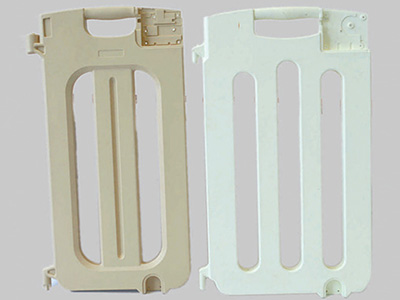
Products are very common in our daily lives, for example, the plastic fences we usually use are blow molded products. Blow molded products are beautiful and reliable in quality, and have a wide range of applications, such as fences, plastic buckets, medical supplies, etc.
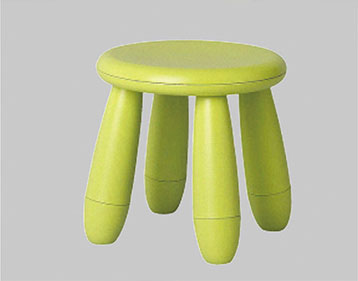
Products processed by blow molding are also commonly found in our daily lives, such as kitchen utensils, containers, etc. These things we usually use are all produced through blow molding skills. One of the advantages of blow molding is that it is widely used, fashionable and generous, and the eliminated products can be recycled and reused.
1. The unit price of blow molded products and the low cost of mold processing: The cost of blow molding machinery is relatively low, and the product cost of blow molded products is also relatively low.
2. Blow molding can produce products with small wall thickness, which cannot be produced by injection molding.
3. Because blow molding tools are only composed of a male mold, the thickness of the product can be changed by simply adjusting the gap or extrusion standard of the engine mold, which is beneficial for products that cannot accurately calculate the required wall thickness in advance.
4. The relative molecular weight of blow molded plastics (such as PE) is much higher than that of injection grade plastics. Therefore, blow molded products have high fracture toughness and high resistance to natural environmental stress cracking characteristics, making them suitable for the production, manufacturing, packaging or transportation of cleaning agents, blow molded small toys, blow molded industrial products, etc.
5. In blow molding, the blank is formed by the engine under lower working pressure and inflated under bottom pressure, so the internal stress of blow molded products is relatively small, and the characteristics of various strain forces such as tensile strength, impact resistance, bending and natural environment are high, with good performance indicators.
What are the advantages of blow molding processing? The above is the relevant information compiled by the editor. We hope it can be helpful to you. If you have any needs in this regard, you can contact us online and we will be happy to serve you!
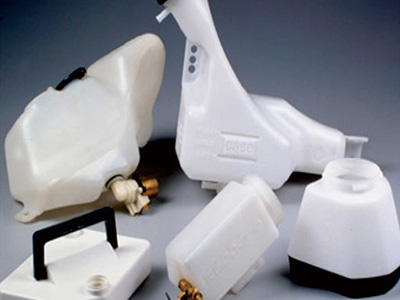
Juxinchang editor learned that blow molding processing in Suzhou is a rapidly developing plastic processing method. Blow molding technology began to be used in the production of polyethylene small bottles during World War I. In the late 1950s, with the birth of high-density polyethylene and the development of blow molding machines, blow molding technology was widely applied. The volume of hollow containers can reach thousands of liters, and some production has adopted computer control. Plastics suitable for blow molding include polyethylene, polyvinyl chloride, polypropylene, polyester, etc. The resulting hollow containers are widely used as industrial packaging containers. According to the production method of preforms, blow molding can be divided into extrusion blow molding and injection blow molding, with newly developed methods including multi-layer blow molding and stretch blow molding.
Principles of Suzhou blow molding processing
The tubular plastic preform obtained by extrusion or injection molding of thermoplastic resin is placed in a split mold while it is hot (or heated to a softened state). After closing the mold, compressed air is immediately introduced into the preform to inflate it and tightly adhere to the inner wall of the mold. After cooling and demolding, various hollow products are obtained.
The manufacturing process of blown film is very similar in principle to blow molding of hollow products, but it does not use molds. From the perspective of plastic processing technology classification, the molding process of blown film is usually included in extrusion. Blow molding technology began to be used in the production of low-density polyethylene small bottles during World War II. In the late 1950s, with the birth of high-density polyethylene and the development of blow molding machines, blow molding technology was widely applied. The volume of hollow containers can reach thousands of liters, and some production has adopted computer control. Plastics suitable for blow molding include polyethylene, polyvinyl chloride, polypropylene, polyester, etc. The resulting hollow containers are widely used as industrial packaging containers.
Suzhou blow molding processing technology
3/4 of blow molded products are manufactured by extrusion blow molding method. Extrusion technology forces materials to pass through a hole or mold to manufacture products.
The extrusion blow molding process consists of 5 steps:
1. Plastic preform (extrusion of hollow plastic tubes); 2. Close the flap mold on the embryo, clamp the mold and cut off the embryo; 3. Inflate the cold wall of the mold cavity, adjust the opening, and maintain a certain pressure during the cooling period; 4. Open the mold and remove the blown parts; 5. Trim the edges to obtain the finished product.
According to the understanding of Juxinchang editor, Suzhou blow molding processing is generally applicable to daily necessities such as bottles, cans, baby products, sports equipment, etc
The steps and processes of different plastic blow molding processes are different. The following will be explained by Juxinchang editor:
1. Injection molding, stretching, blow molding
At present, injection molding stretch blow molding technology is more widely used than injection molding. This plastic blow molding processing method is actually injection blow molding, but it increases axial stretching, making blow molding easier and reducing energy consumption. Injection blowing can process products with a slightly larger volume than injection blowing. The volume of the blown container ranges from 0.2 to 20L, and its working process is as follows:
① First, inject the preform, the principle is the same as ordinary injection molding;
② Then transfer the billet to the heating and temperature control process to soften it;
③ Go to the blowing station and close the mold. The push rod inside the core stretches the billet along the axial direction, while blowing air to make the billet tightly adhere to the mold wall and cool down;
④ Go to the demolding station to pick up the parts.
Note - Pull Blow Process:
Injection molding billet → Heating billet → Mold closing, stretching and blowing → Cooling and taking parts
2. Extrusion blow molding
Extrusion blow molding is the most widely used method of plastic blow molding, with a wide range of processing from small products to large containers, automotive parts, aerospace chemical products, etc. The processing process is as follows:
① First, melt and mix the rubber material, and the melt enters the machine head to become a tube shaped billet;
② After the preform reaches the predetermined length, the blow molding mold is closed and the preform is sandwiched between the two halves of the mold;
③ Blow air into the billet to inflate it and make it tightly adhere to the mold cavity for molding;
④ Cooling products;
⑤ Open the mold and take away the hardened product.
Extrusion blow molding process:
Molten material → extruded billet → closed mold blow molding → mold opening and part taking
3. Injection blow molding
Injection blow molding is a plastic blow molding processing method that combines the characteristics of injection molding and blow molding. Currently, it is mainly used for blowing high-precision beverage bottles, medicine bottles, and some small structural parts.
① At the injection molding station, the preform is first injected using the same processing method as regular injection molding.
② After the injection mold is opened, the core rod and the blank are moved to the blow molding station.
③ The core rod places the billet between the blow molded molds and closes the molds. Next, compressed air is blown into the billet through the middle of the core rod, causing it to expand and adhere tightly to the mold wall, while cooling it down.
④ Open the mold, transfer the core rod to the demolding station, remove the blow molded part, and then transfer the core rod to the injection station for circulation.
1) The working process of injection blower
Blow molded billet → Injection mold opening to blown film station → Mold closing blow molding and cooling → Rotation to demolding station for part retrieval → Billet
2) Advantages and disadvantages of injection blow molding
Advantages:
The product has relatively high strength and high precision. There is no seam formed on the container and no need for trimming. The transparency and surface smoothness of blow molded parts are good, and they are mainly used in hard plastic containers and wide mouthed containers.
Disadvantages:
According to the editor of Juxinchang, due to the high equipment cost and energy consumption of plastic blow molding machines, they generally only form containers with relatively small volumes (less than 500ml) and cannot form containers with complex shapes, making it difficult to form elliptical products.

Extrusion blow molding is a method of manufacturing hollow thermoplastic parts. The well-known blow molded objects include bottles, barrels, cans, boxes, and all containers for packaging food, beverages, cosmetics, pharmaceuticals, and daily necessities. Large blow molded containers are commonly used for packaging chemical products, lubricants, and bulk materials.
Other blow molded products include balls, corrugated tubes, and toys. For the automotive manufacturing industry, fuel tanks, car shock absorbers, seat backrests, center brackets, and armrest and headrest coverings are all blow molded. For the mechanical and furniture manufacturing industry, blow molded parts include shells, door frames, frames, pottery jars, or boxes with an open face.
polymer
The most common blow molded extruded plastic material is high-density polyethylene, and most milk bottles are made from this polymer. Other polyolefins are also often processed through blow molding. According to their applications, styrene polymers, polyvinyl chloride, polyester, polyurethane, polycarbonate, and other thermoplastic materials can also be used for blow molding.
Recently, engineering plastics have been widely accepted in the automotive industry. The selection of materials is based on mechanical strength, weather resistance, electrical performance, optical performance, and other properties.
workmanship
3/4 of blow molded products are manufactured through extrusion blow molding processing. Extrusion technology forces materials to pass through a hole or mold to manufacture products.
The extrusion blow molding process consists of 5 steps: 1. Plastic preform (extrusion of hollow plastic tubes); 2. Close the flap mold on the embryo, clamp the mold and cut off the embryo; 3. Inflate the cold wall of the mold cavity, adjust the opening, and maintain a certain pressure during the cooling period; 4. Open the mold and remove the blown parts; 5. Trim the edges to obtain the finished product.
extrusion
Polymer blending is defined as a process of upgrading a polymer or polymer system through melt blending. The mixing process ranges from the addition of a single additive to the treatment of multiple additives, polymer alloys, and reactive mixing.
It is estimated that one-third of polymer production in the United States involves blending. The mixed ingredients can be customized according to the performance requirements of the final application. Mixed products have mixed properties, such as high gloss and excellent impact strength, or precision moldability and good stiffness.
The mixed polymer is usually pelletized for further processing. However, the industry is increasingly interested in combining blending with the next process, such as profile extrusion, to avoid reheating the polymer.
mix
People use various types of melt mixing equipment, from roller mills and batch mixers to single screw and twin-screw extruders. Continuous mixing (extruder) is the most commonly used equipment because it can provide products of consistent quality and reduce operating costs. There are two types of mixing: distributed mixed materials can be evenly distributed in the mixing process without the need for high shear stress. This type of mixture is called extensional mixing or laminar mixing.
Dispersed mixing, also known as strong mixing, involves applying high shear stress to break down the solid that has agglomerated. For example, when the additive pellets are crushed, the actual particle size decreases.
According to the editor of Juxinchang, in the blow molding process, mixing operations often require two types of mixing in one process.
According to Juxinchang, plastic blow molding processing technology emerged during World War II and began to be used for producing low-density polyethylene small bottles. In the late 1950s, with the birth of high-density polyethylene and the development of blow molding machines, blow molding technology was widely applied. The volume of hollow containers can reach thousands of liters, and some production has adopted computer control.
Plastics suitable for blow molding include polyethylene, polyvinyl chloride, polypropylene, polyester, etc. The resulting hollow containers are widely used as industrial packaging containers. According to the production method of preforms, blow molding can be divided into extrusion blow molding and injection blow molding, with newly developed methods including multi-layer blow molding and stretch blow molding.
Extrusion blow molding is a method of manufacturing hollow thermoplastic parts. The well-known blow molded objects include bottles, barrels, cans, boxes, and all containers for packaging food, beverages, cosmetics, pharmaceuticals, and daily necessities. Large blow molded containers are commonly used for packaging chemical products, lubricants, and bulk materials. Other blow molded products include balls, corrugated tubes, and toys. For the automotive manufacturing industry, fuel tanks, car shock absorbers, seat backrests, center brackets, and armrest and headrest coverings are all blow molded. For the mechanical and furniture manufacturing industry, blow molded parts include shells, door frames, frames, pottery jars, or boxes with an open face.
The most common blow molded extruded plastic material is high-density polyethylene, and most milk bottles are made from this polymer. Other polyolefins are also often processed through blow molding. According to their applications, styrene polymers, polyvinyl chloride, polyester, polyurethane, polycarbonate, and other thermoplastic materials can also be used for blow molding.
Recently, engineering plastics have been widely accepted in the automotive industry. The selection of materials is based on mechanical strength, weather resistance, electrical performance, optical performance, and other properties.
3/4 of blow molded products are manufactured by extrusion blow molding method. Extrusion technology forces materials to pass through a hole or mold to manufacture products.
Polymer blending is defined as a process of upgrading a polymer or polymer system through melt blending. The mixing process ranges from the addition of a single additive to the treatment of multiple additives, polymer alloys, and reactive mixing. The mixed polymer is usually pelletized for further processing. However, the industry is increasingly interested in combining blending with the next process, such as profile extrusion, to avoid reheating the polymer.
People use various types of melt mixing equipment, from roller mills and batch mixers to single screw and twin-screw extruders. Continuous mixing (extruder) is the most commonly used equipment because it can provide plastic blow molded products of consistent quality and reduce operating costs. There are two types of mixing: distributed mixed materials can be evenly distributed in the mixing process without the need for high shear stress. This type of mixture is called extensional mixing or laminar mixing.
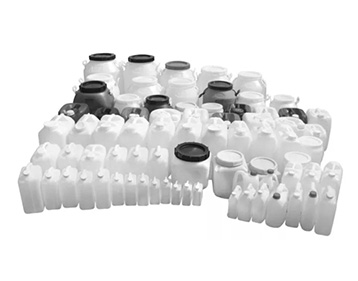
In the plastic industry, many companies consider using blow molding technology to produce hollow products in order to save costs. This greatly reduces costs compared to injection molding, and therefore, the blow molding process has also developed rapidly. Blow molded products are also widely applicable, such as in the toy industry, packaging industry, electrical industry, and other industries.
For blow molded products, raw materials are very important. When selecting raw materials, it is important to consider their performance and processing capabilities, and to meet the conditions and usage requirements of blow molded products. Common blow molding materials:
1.HDPE
2. PP
3. PET
4. LDPE
The position of the mold separation (closing line), product slope, product layout, inflation ratio, rounded corners, and appearance modification involved in the blow molding process need to be considered. The specific analysis is as follows:
1. Position of the mold line. Before opening the mold, it is necessary to carefully consider how to divide the mold, as this will affect the subsequent production and appearance of the product;
2. Product slope. All surfaces parallel to the direction of mold movement should have a certain slope, and the slope should be such that the mold can be easily opened for easy removal of the product;
3. Check all usage functions. When used as a product, it is better to have fewer components and assembly work, as it can reduce the cost of the product;
4. Inflation ratio. During inflation, pay attention to areas with extremely thin geometric shapes, which may be protruding or recessed. When the width to depth ratio is too large, vacuum forming can be used as an auxiliary method;
5. Principle of radius. Avoid sharp edges, corners, sudden changes in surface, sudden changes in product diameter or wall thickness;
6. The positions of inserts, exhaust slots, intake needles, top pin holes, engraving, and labels need to be carefully considered.
Controlling the temperature of the extruder is a key factor in the extrusion blow molding process. The adjustment of extrusion temperature is related to the blowing material. The temperature of extrusion can affect the quality of the product. When the extrusion temperature is too high, it can cause uneven wall thickness on the surface of blow molded products. When the extrusion temperature is too low, it will cause the surface of the embryo to become rough. So when manufacturing large blow molded products, the main focus is on preventing the embryo from sagging, and the temperature can be kept low. When making small blow molded products, the temperature needs to be higher.
The rotational speed of the screw is another important factor in the extrusion blow molding process. The speed of the screw can affect the quality of the embryo. When the extrusion speed is high, it can increase the yield and reduce the sagging of the embryo, but it can also lead to a decrease in the surface quality of the embryo. If the shear rate is too high, it may cause the plastic to dissolve and break.
In summary, whether it is a small blow molded product or a large blow molded product, the energy and time required before development cannot be reduced. It is necessary to carefully consider the factors that may affect the blow molding processing effect in order to match the appearance and function of each blow molded product well.
Plastic blow molding can be divided into injection blow molding, extrusion blow molding, stretch blow molding, and blown film method;
1. Injection blow molding. The injection molding method is used to first make plastic into a bottomed billet, and then move the billet into a blow mold to blow it into a hollow product.
Injection plastic blow molding is mainly used for processing preforms supported by metal cores; The advantages of injection blow molding are that there is no waste generated during the processing, the wall thickness of the product and the dispersion of the material can be well controlled, the precision of forming fine necked products is high, the surface of the product is smooth, and it can be economically produced in small batches. The disadvantage is that the cost of molding equipment is high, and to a certain extent, it is only suitable for small blow molded products.
2. Extrusion blow molding. The plastic is first extruded into a bottom shaped billet, and then the billet is moved to a blow mold to be blown into a hollow product.
Extrusion plastic blow molding is mainly used for processing unsupported preforms The advantages of extrusion blow molding are high production efficiency, low equipment cost, wide selection range of molds and machinery, but the disadvantages are high scrap rate, poor recycling and utilization of waste materials, limited thickness control of products and dispersion of raw materials, and the need for trimming operations after molding.
3. Stretch blow molding. Stretch blow molding is a type of blow molding that uses biaxial directional stretching. The method involves first stretching the mold longitudinally, and then inflating it with compressed air to achieve transverse stretching.
Stretch plastic blow molding processing includes two methods: extrusion stretch blow molding and injection stretch blow molding. It can process biaxially oriented products, greatly reducing production costs and improving product performance. Stretch blow molding can greatly improve the transparency, impact strength, surface hardness, and rigidity of products, and is suitable for blow molding of polypropylene and polyethylene terephthalate (PETP). Stretch blow molding includes injection molding oriented stretch blow molding, extrusion molding oriented stretch blow molding, multi-layer oriented stretch blow molding, compression molding oriented stretch blow molding, etc.
4. Blow molding film method. A method of forming thermoplastic films. The plastic is first extruded into a tube using the extrusion method, and then continuously expanded into a tubular film of a certain size with the help of air blown into the tube. After cooling, it is folded and wound into a double-layer flat film. Plastic film can be manufactured by many methods, such as blow molding, extrusion, casting, rolling, casting, etc., but blow molding is the most widely used method. This method is suitable for the manufacturing of films such as polyethylene, polyvinyl chloride, polyamide, etc.

手机

留言

抖音




 语言选择
语言选择 
 189-1326-9266