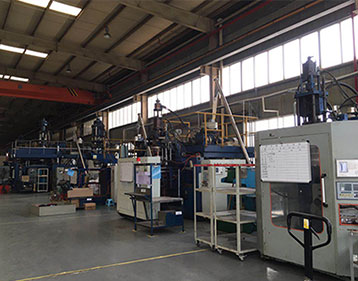
In the plastic industry, many companies consider using blow molding technology to produce hollow products in order to save costs. This significantly reduces costs compared to injection molding,
Therefore, the methods of blow molding processing have also developed rapidly. Blow molded products are also suitable for a wide range of industries, such as the toy industry, packaging industry, electrical industry, and other industries.
The position of the mold separation (closing line), product slope, product layout, and appearance modification involved in the blow molding process are factors that mold engineers and blow molding engineers need to consider. The specific analysis is as follows:
1、 The positions of inserts, exhaust slots, intake needles, top pin holes, engraving, and labels need to be carefully considered.
2、 Check all usage functions. When used as a product, the fewer components and assembly work, the better, which can reduce the cost of the product.
3、 Inflation ratio. Pay attention to areas that trigger extremely thin geometric shapes, which may be protruding or recessed. When the width to depth ratio is too large, vacuum forming can be used as an aid.
4、 Principle of radius. Avoid sharp edges, corners, sudden changes in surface, sudden changes in product diameter or wall thickness.
5、 The slope of the product. All surfaces parallel to the direction of mold movement should have some slope, which should make it easy to open the mold and facilitate the removal of the product.
6、 The position of the mold line. Before opening the mold, the mold engineer needs to carefully consider how to divide the mold, as this will affect the subsequent production and appearance of the product.
Based on the above points, whether it is a small blow molded product or a large blow molded product, the energy and time required for development cannot be reduced. Factors that may affect the blow molding processing effect must be carefully considered in order to match the appearance and function of each blow molded product.
There are various types of blow molding molds in Shanghai, with different structural compositions and design requirements.
The main requirements for extrusion blowing molds are:
① The inflation ratio should be appropriate, and the distribution of various parts of the product should be as uniform as possible;
② Can effectively clamp the billet, and the strength of the joint at the clamp is sufficient;
③ Reliable exhaust ensures rapid expansion of the billet and adherence to the mold wall;
④ Cooling is fast and uniform.
Mold cavity design:
A parting surface: usually the plane that passes through the largest part of the product's cross-sectional profile. Products with complex shapes can have curved surfaces or be composed of multiple flat surfaces. The container handle is usually located on the parting surface.
B-type cavity surface: Low inflation pressure, low molding temperature, plastic will not enter micro uneven (rough) valleys. A relatively rough surface not only does not affect the surface state of the product, but also facilitates exhaust. For products with special requirements such as high gloss and high transparency, the cavity should be polished.
C-side parting: In order to achieve uniform wall thickness for blow molded products in Shanghai, even if there are side indentations, a large slope is gradually transitioned. In addition, the demolding temperature is high and the elasticity is good, so it can be forcibly demolded without the need for side parting. For deep grooves with smaller slopes, a side parting mechanism should be installed
Clamp mouth and residual material groove
A、clamp mouth
The clamping edge is also known as the cutting edge. At the same time as the extrusion blow molding mold is closed, the remaining material needs to be cut off, so a clamping mouth should be set at the corresponding part of the mold.
B、surplus material tank
The leftover material cut by the cutting edge of the billet just falls onto the parting surface, affecting the closure of the mold. Therefore, a leftover material groove is opened at the corresponding position to accommodate the leftover material
The structural dimensions of the clamping mouth and residual material groove are the key to the design of the extrusion blow mold. In addition to cutting off excess materials, the clamping mouth also has the function of clamping and sealing the billet. If the width and angle of the clamping mouth are improper, the joint surface is not tightly fitted, and the capacity of the remaining material groove is insufficient, it may result in insufficient clamping, continuous cutting of the billet, or insufficient strength of the joint after the billet is cut.
The residual material trough is usually located on the upper and lower sides of the incision, and its size should be determined according to the width and thickness of the residual material after the billet is clamped, based on whether the mold can be tightly closed. The width of the clamping mouth is generally selected as 1-2mm, and the angle is taken as 13 ° -15 °.
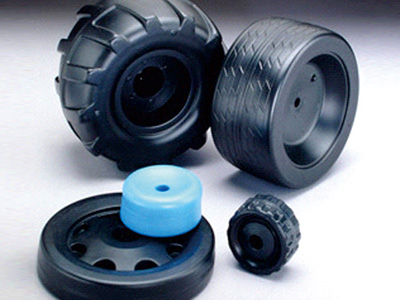
The blow molding process in Suzhou includes three basic steps: preform forming, blow molding, and product cooling. First, the plastic is processed into a molded preform (injection molding or extrusion), and then the high-temperature preform is placed in a blow molding mold. Compressed air is injected into the preform to blow it tightly against the cavity wall, and the inflation pressure is maintained until the plastic part cools and sets. The process of opening the mold to obtain a hollow plastic part.
What is the specific production process of blow molded plastic products in Suzhou
Classification and characteristics of Suzhou blow molding processing technology:
According to different methods of preform preparation and blowing, there are various blow molding processes including extrusion blowing, injection blowing, extrusion pulling blowing, injection pulling blowing, etc.
1. Extrusion blow molding process - extrusion blowing
2. Extrusion stretch blow molding process - extrusion stretch blow molding
The plastic is extruded into a tubular billet through an extruder and a billet head, and the heat pipe billet is cut by a pre blown mold
And pre inflated, the pre inflated high-temperature billet is moved to the blow molding mold for stretching and inflation molding

What does Shanghai blow molding machine process? Blow molding machine is a type of plastic processing machine. After spraying the liquid plastic, use the machine to blow the wind speed to attach the plastic body in a certain shape, and then make it into a product. We can produce and process a variety of products such as plastic buckets, plastic bottles, and plastic toys.
1、 The classification of blow molding machines can be divided into two categories: extrusion blow molding and injection blow molding. The key difference between the two depends on the production of the preform, while the entire blow molding process is basically the same. The basic development trends of the two forming methods here are: extrusion drawing blow molding (commonly known as extrusion drawing blow molding), injection drawing blow molding (commonly known as injection drawing blow molding), and double-layer reflection molding.
2、 The main purpose of blow molding machine
1). The demand for polypropylene is gradually increasing due to the development of modified epoxy resin materials and production processing technology.
2). The usage of high-density high-pressure polyethylene ranks first, and it is widely used in food, chemical plants, and packaging solutions for liquids. High molecular weight high-pressure polyethylene is suitable for the production and manufacturing of large and medium-sized natural gas tanks and barrels.
3). Linear polyester raw materials are new materials that have entered the hollow blow molding industry in recent years. Due to its glossy appearance, high-quality transparency, high structural mechanical compressive strength, and good storage capacity for objects in containers, as well as the advantages of not polluting the environment during centralized incineration of waste, its products have developed rapidly in the field of plastic packaging bottles, especially in the application of pressure resistant plastic food packaging materials.
4). Polyethylene is widely used in the packaging of skincare products and detergents due to its good clarity and sealing properties. With the development and design of non-toxic polyethylene epoxy resin and modifiers, as well as the trend of Raman blow molding technology, the use of polyethylene containers in food packaging materials has rapidly increased.
3、 Advantages of blow molding machine:
1). Plastic containers made by blow molding machines are relatively cost-effective and can reduce living expenses.
2). The production and processing speed is faster and more efficient. Traditional porcelain and wooden furniture are not only time-consuming and labor-intensive, but also lack precision.
3). Plastic vessels produced and processed using blow molding machines have advantages such as high thickness, corrosion resistance, and wear resistance, and can replace some wood and porcelain vessels. What does Shanghai blow molding machine process? The above editor has provided a detailed introduction to this issue. We hope that through this article, you have a certain understanding of blow molding machines. If you have any needs in this area, you can contact us online and we will be happy to serve you!
If you want to calculate the price of blow molding processing in Suzhou, the editor of Kunshan Juxinchang Company suggests that you first calculate the fixed cost before proceeding:
Fixed cost refers to the cost that a factory needs to incur to operate its doors, regardless of whether it is manufactured or not. This cost is measured in yuan and is calculated as: unit price/yuan/day, with three decimal places (RMB: cents).
Fixed cost calculation is only applicable to pure Suzhou blow molding processing enterprises.
If the company includes other production and manufacturing processes such as injection molding, mold processing, and finished product installation, the cost of infrastructure construction should be effectively calculated and cut.
1. Depreciation expenses for industrial plants
Existing industrial plants: total project cost ÷ thirty years ÷ 300 days
Renting industrial plants: Rent ÷ 300 days
2. Depreciation of hollow blow molding machines
Total price of mechanical equipment ÷ Ten years ÷ 300 days
3. Infrastructure construction and maintenance costs
Total annual maintenance cost ÷ 300 days
4. Maintenance cost of hollow blow molding machine
Total annual maintenance cost ÷ 300 days
5. Accounting fees
Annual attached loan interest total amount ÷ 300 days
6. Service fee
Annual total expenditure ÷ 300 days
7. Distribution of electric transformers
Annual total expenditure ÷ 300 days
8. Unforeseeable expenses
9. Other
10. Subtotal 1+2+3+... 9=X yuan/day
The calculation content and formula of Suzhou blow molding processing price show that:
Thirty years: The design service life of a general factory building is thirty years
Total Injection Capacity: The sum of the injection volumes of all hollow blow molding machines in the factory.
300 days: Calculated based on 300 reasonable working days per year.
Ten years: The service life of hollow blow molding machines and related machinery and equipment is calculated based on ten years.
When calculating the price of blow molding processing in Suzhou, there are still many factors to consider. However, the editor of Kunshan Juxinchang Company will talk about so much today. Many other contents, including variable costs, will be shared and discussed with you next time. Everyone should digest and absorb today's professional knowledge.

Multi layer blow molding is a Suzhou blow molding processing technology developed to meet the special requirements of packaging containers such as airtightness and corrosion resistance in certain industries such as pharmaceuticals, food, and cosmetics. Its basic process principles are the same as those of single-layer product blow molding technology, mainly including co extrusion blow molding and injection molding blow molding.
When using co extrusion method, multiple extrusion sails are used to simultaneously squeeze different resins into multi-layer machine heads to form multi-layer concentric product preforms, which are then blow molded. When using injection molding for blow molding. Then, a layer is first injected onto the male mold, and the mold cavity is changed to inject on the first layer to form the second layer. This process is repeated to form a multi-layer product blank, followed by blow molding. Multilayer systems that have been adopted in industry include polyamide/polyolefin, polystyrene/polyacrylonitrile/polypropylene, polyolefin/polyvinyl chloride, etc
Multi layer blow molding is a technology that uses two or more extruders to melt and mix the same or different types of plastics in different extruders, then composite and extrude them in the same head, and blow mold to manufacture multi-layer hollow containers.
Suzhou multi-layer blow molding processing is developed on the basis of injection molding blow molding and extrusion blow molding, with little difference in process, except that the product wall is not a single layer but multiple layers. The multi-layer structures used include nylon/polyolefin, polyvinyl alcohol/polyolefin, polyethylene/polyvinyl chloride/polyethylene, polystyrene/polyacrylonitrile/polypropylene, etc.
Multi layer blow molded containers are mainly designed to meet the increasing demand for airtightness in cosmetics, pharmaceuticals, and food packaging. Therefore, the raw materials and layers of multi-layer containers should be selected according to the needs. Two types of plastic two-layer structures, two types of plastic three-layer structures, three types of plastic four layer structures, or four types of plastic four layer structures can be used. The more levels there are, the higher the technical requirements.
The key to multi-layer blow molding is to control the fusion bonding between the resin layers, and there are two bonding methods. The first method is to mix resin with adhesive properties, which can reduce the number of layers while maintaining a certain strength. The second method is to add a layer of adhesive material, which requires the purchase of an extruder for extruding the adhesive material, making the equipment and operation more complex.
Suzhou multi-layer blow molding is a process of directly blowing or stretching multi-layer preforms to form multi-layer hollow containers. Multi layer preforms are co extruded by multiple extruders and then blow molded, known as co extrusion blow molding; If a multi-layer billet is formed by injection molding and then blown, it is called co injection blow molding.
The use of multi-layer composite technology is usually based on the following considerations:
(1) By placing a small amount of resin with excellent barrier properties but high cost in the middle layer of a multi-layer structure, the barrier performance of the container can be improved and the shelf life can be extended at a relatively low cost.
(2) Recycling resources and reducing costs. For example, recycled materials can be placed in the middle layer, or a layer of resin mixed with expensive colorants or UV resistant materials can be placed on the outer layer to reduce costs.
(3) Other functional needs. Including optical effects, tactile effects, and usage effects generated by the combination of materials with different properties.
In short, the ultimate goal of multi-layer composite is to optimize the combination of different functional materials, complement each other's strengths and weaknesses, and enhance the value of the product. The materials used include the same type of material, as well as materials with significant differences in chemical structure. In the latter case, an adhesive is required to increase the interlayer bonding force. However, significant differences in the rheological behavior of different materials will increase the difficulty of the process.
The typical application of multi-layer blow molded products in Suzhou is the packaging of milk, natural fruit juice, tea drinks, tomato sauce, carbonated soft drinks, beer, seasonings, and cosmetics that require high barrier performance.
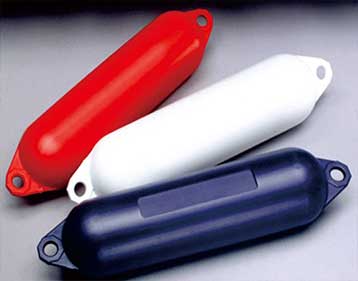
Generally, various problems are prone to occur during the blow molding process of products, such as blown glass bottles, bottom end aggregation, bottom end skewness, thin bottle body, and glass bottle whitening. How to distinguish between blowing problems and bottle preform problems. Now everyone is analyzing the different situations blown out of the glass bottle;
1、 Reason for glass bottle breakage:
1). Insufficient heating of embryo tubes, not fully baked;
2). The Rashin pole was not pulled in time (exactly);
3). Rashen rod speed is very slow;
4). The temperature protection has been turned on, but the upper and lower temperature limits have been set too high.
2、 Solutions to common faults in blow molding products:
1). Widen the working voltage without changing the production volume. Reduce production without changing the working voltage, which means extending the time for secondary blowing inspection.
2). After locking the exhaust pipe, use force to push the pull rod down and touch the bottom of the mold, and tighten the limit switch nut. (Limited to cylinder adjustment for mechanical equipment only).
3). Adjust the relief valve on the Rashin cylinder to a larger size.
4). Lower the lower temperature limit. Generally, PET preforms are set to 85-95 degrees, and the limit can be set to 125-130 degrees. That's all for the general faults in blow molding processing. We hope it can be helpful to everyone. If you have any needs in this area, you can consult us online and we will be dedicated to serving you!
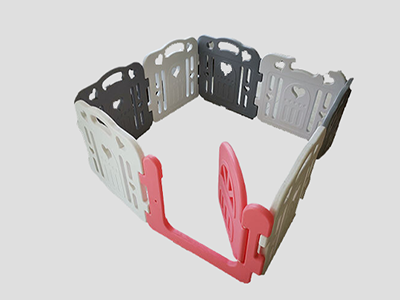
In the plastic industry, blow molding processing has always been a widely adopted manufacturing technology. Its advantages are mainly reflected in the following aspects:
1、 Save raw materials
Blow molding processing can effectively utilize waste plastics, reduce the demand for new raw materials, and achieve resource reuse and conservation. This approach not only conforms to environmental protection concepts, but also helps to reduce production costs.
2、 High production efficiency
Blow molding machines can produce a large amount of plastic products in a short period of time, and the production process is highly automated, without the need for manual intervention, which greatly improves production efficiency. In addition, blow molding technology is simple and easy to operate, even beginners can quickly master it.
3、 High product accuracy
Through precise control systems and efficient machine equipment, blow molding processing can ensure the dimensional and shape accuracy of products. This is particularly important for industries that require high product quality, such as medical devices, food packaging, etc.
4、 Rich product variety
Blow molding processing is suitable for the production of plastic products of various sizes and shapes, including bottles, barrels, tableware, toys, automotive parts, etc. Therefore, the variety of products processed by blow molding is very rich, which can meet the diversified needs in the market.
5、 Good environmental performance
Blow molded products are usually made of non-toxic and harmless materials, which do not affect human health and do not contain harmful substances, meeting environmental protection requirements.
Overall, the processing of blow molded products has significant advantages such as saving raw materials, high production efficiency, high product accuracy, diverse product types, and good environmental performance. With the development of technology and social progress, the application fields of blow molding product processing will become more extensive.
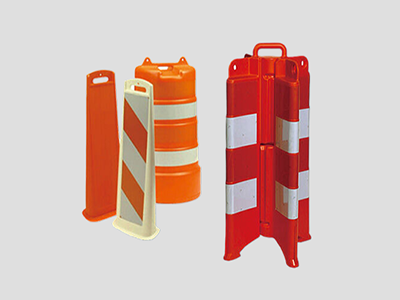
In today's fast-paced industrial environment, the efficiency and performance of production lines are crucial for manufacturers. Especially in large-scale blow molding processing, how to design and optimize the entire production line reasonably to improve production efficiency, reduce costs, and minimize waste is a problem that every manufacturing enterprise needs to face. This article will explore from the following aspects:
1、 Clarify the goals and requirements of the production line
Before designing and optimizing a large-scale blow molding production line, it is necessary to first clarify the goals and requirements of the production line. This includes understanding the main functions of the production line, expected production volume, product quality standards, etc. These pieces of information will help determine the design parameters and key performance indicators of the production line.
2、 Choose appropriate equipment and technology
Choosing appropriate equipment and technology based on the goals and requirements of the production line is the key to optimizing the design of the production line. This includes selecting efficient blow molding machines, molds, automation control systems, etc. At the same time, it is also necessary to consider the ease of operation, maintainability, and reliability of the equipment, as well as the innovation and compatibility of the technology.
3、 Optimize production processes and layout
In order to improve the operational efficiency of the production line, it is necessary to optimize the production process and layout. This includes simplifying the production process, reducing unnecessary steps, improving the continuity and flexibility of the production process, and arranging the location of equipment and personnel reasonably to reduce transportation time and energy consumption.
4、 Introducing intelligent and automated technologies
With the development of technology, the application of intelligence and automation technology in large-scale blow molding production lines is becoming increasingly widespread. By introducing technologies such as intelligent sensors, data analysis systems, and robot automation, real-time monitoring and control of production lines can be achieved, improving production efficiency, reducing failure rates, and minimizing manual intervention, thereby reducing production costs.
5、 Establish a continuous improvement mechanism
In order to ensure the long-term stable operation and continuous optimization of the production line, it is necessary to establish a mechanism for continuous improvement. This includes conducting regular performance evaluations and audits of the production line, identifying and resolving existing issues, and adjusting and optimizing the design and configuration of the production line in a timely manner based on market and technological changes.
In short, optimizing the design and configuration of large-scale blow molding production lines requires comprehensive consideration and practice from multiple aspects, such as clarifying goals and requirements, selecting suitable equipment and technology, optimizing production processes and layouts, introducing intelligent and automated technologies, and establishing a continuous improvement mechanism. Only in this way can we ensure the efficient, high-quality, and low-cost operation of the production line, and meet the constantly changing and developing needs of the market.

With the development of technology and the intensification of market competition, various industries have increasingly high requirements for product quality. As an important link in the production of plastic products, how can blow molding factories ensure that the strength and chemical resistance of the products meet the requirements? This article will explore from the following aspects.
1、 Strict selection of materials
The selection of raw materials is crucial. Blow molding factories should choose raw materials with good mechanical properties and chemical stability, such as polyethylene, polypropylene, etc. At the same time, it is also necessary to pay attention to whether there are harmful substances in the production process of raw materials, such as styrene monomers, phthalates, etc., to ensure product quality.
2. In the process of raw material procurement, it is necessary to cooperate with suppliers with good reputation to ensure the reliable quality of the purchased raw materials. In addition, regular quality assessments of suppliers are required to ensure stable quality of raw materials.
2、 Optimize production process
1. Blow molding factories should optimize production process parameters such as extrusion temperature, mold temperature, cooling time, etc. based on the characteristics and requirements of the product, in order to improve the strength and chemical resistance of the product.
2. Introduce advanced production equipment and technology, such as high-efficiency and energy-saving extruders, precision molds, etc., to improve production efficiency and product quality.
3. Strengthen the monitoring and management of the production process to ensure that every step meets quality requirements. For unqualified products, timely rectification and handling should be carried out to prevent problematic products from entering the market.
3、 Strengthen product testing
1. Establish a comprehensive product testing system, including physical performance testing, chemical composition analysis, weather resistance testing, etc. For critical components or products with important applications, in-depth testing such as non-destructive testing and metallographic analysis is also required to ensure product quality.
2. Use third-party testing agencies for product sampling to objectively and fairly evaluate product quality. For non-conforming products, it is necessary to promptly trace the cause and take measures for rectification.
4、 Emphasize after-sales service
1. Provide consumers with detailed product manuals and technical support to help them use and maintain the product correctly.
2. For products with discovered problems, timely recall and handling should be carried out to avoid causing losses to consumers.
3. Collect consumer feedback, continuously optimize product design and production processes, and enhance product competitiveness.
In short, blow molding factories need to ensure that the strength and chemical resistance of their products meet the requirements. They need to start from selecting materials, optimizing production processes, strengthening product testing, and attaching importance to after-sales service to comprehensively improve the quality level of their products. Only in this way can we stand undefeated in the fierce market competition.

With the continuous development of technology, large-scale blow molding processing technology has been widely applied in various industries, including the automotive industry. Blow molding is a special plastic processing method that uses compressed air to inject melted plastic into a mold, then cools and shapes it into various shapes and sizes of products. In the automotive industry, large-scale blow molding technology is widely used in the manufacturing of automotive parts, body structural components, etc.
Firstly, large-scale blow molding processing is widely used in the manufacturing of automotive parts. For example, the front bumper, rear bumper, headlight cover, door mirror, dashboard, etc. of a car are all manufactured through blow molding technology. These components usually require high strength, wear resistance, impact resistance, and other characteristics, and blow molding processing can precisely meet these requirements. In addition, blow molding can also create complex internal structures such as high-precision holes and channels, which is of great significance for improving the performance and quality of automotive components.

Secondly, the application of large-scale blow molding processing in the manufacturing of automotive body structural components is becoming increasingly widespread. Traditional car bodies are usually manufactured using stamping or welding processes, but these methods have certain limitations. In contrast, blow molding can produce more complex and refined body structural components, such as fenders, door sills, etc. These components not only need to have good durability and impact resistance, but also need to have a certain degree of lightweight effect to improve the fuel efficiency and performance of the car. Therefore, the application of large-scale blow molding processing in the manufacturing of automotive body structural components has important strategic significance.
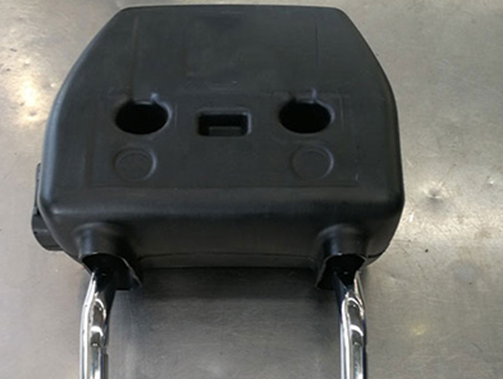
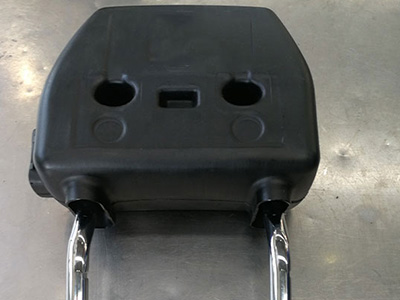
Finally, large-scale blow molding can also be applied to the production of car seats. With the continuous improvement of people's requirements for comfort and safety, more and more cars are adopting electric seats. Electric seats require a certain level of strength and stability, as well as breathability and comfort. Blow molding processing can precisely meet these requirements. By manufacturing seat shells with precise holes and curved shapes, it can provide a more comfortable and safe driving experience for electric vehicles.
In short, the application prospects of large-scale blow molding technology in the automotive industry are broad. With the continuous advancement and improvement of technology, it is believed that large-scale blow molding processing will be applied in more fields, promoting technological innovation and development in the entire automotive industry.
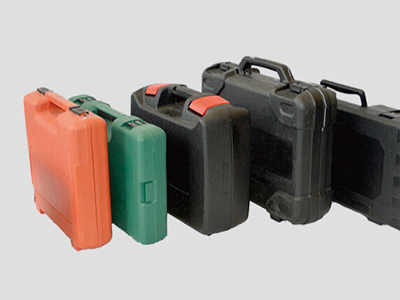
In the manufacturing industry, especially in the production process of plastic products, blow molding has always been an important technique. However, for many enterprises, balancing the cost and efficiency of blow molding processing to improve profitability remains a challenge. This article will delve into the cost and efficiency of plastic blow molding processing, as well as possible optimization strategies and methods.
Firstly, let's take a look at the cost of plastic blow molding processing. The main costs of blow molding processing include raw material costs, equipment depreciation and maintenance costs, energy consumption, labor costs, etc. Among them, the cost of raw materials usually accounts for a relatively large proportion, as it directly affects the final cost of the product. In addition, the operation and maintenance of equipment also require certain costs. If energy-saving and efficient equipment can be found and maintained reasonably, it can effectively reduce costs.
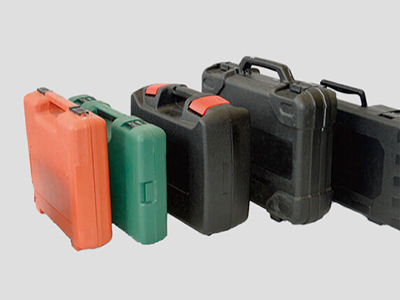
Then, let's take a look at the efficiency of blow molding processing. Efficiency is mainly measured from two aspects: first, production speed, which refers to the quantity of products produced per unit of time; The second is the quality of the product, including its dimensional accuracy, surface smoothness, etc. Improving the efficiency of blow molding processing can be achieved through enhancing equipment performance and improving production processes; On the other hand, it can also be achieved by improving employees' technical and management skills, as well as optimizing work processes.
So, are there any specific optimization strategies and methods that can help us improve the cost-effectiveness of blow molding processing? The answer is affirmative. For example, we can improve production efficiency and product quality by adopting advanced automation equipment and technology, while also reducing labor costs. In addition, regular maintenance and overhaul of equipment can avoid production interruptions caused by equipment failures, thereby ensuring the continuity of production. Furthermore, by improving production processes and optimizing workflows, we can reduce raw material waste and further improve cost-effectiveness while ensuring product quality.
Overall, although blow molding processing incurs certain costs, as long as we adopt effective optimization strategies and methods, we can completely improve its cost-effectiveness. This requires us to constantly try and summarize our experience in practical operations, and find the most suitable optimization plan for our own enterprise.

With the continuous advancement of technology, blow molding processing technology is also constantly developing and improving. The development process of blow molding technology, from the initial manual operation to the current automated production, can be regarded as a microcosm of technological progress. So, what will be the development trend of blow molding technology in the future?
Firstly, intelligence will become an important development direction for blow molding processing technology. By introducing advanced technologies such as artificial intelligence and big data, blow molding equipment will achieve autonomous decision-making and self optimization, greatly improving production efficiency and product quality. In addition, intelligence can also help enterprises achieve refined management, comprehensive monitoring and data analysis of the production process, thereby improving operational efficiency and reducing production costs.

Secondly, green environmental protection will become an important pursuit goal of blow molding processing technology. With the increasing attention to environmental issues, blow molding technology will also pay more attention to improving its environmental performance. For example, using biodegradable materials for blow molding production can effectively reduce the impact of plastic waste on the environment; Meanwhile, by improving production processes and equipment design, energy consumption and emissions can also be reduced, achieving true green production.
Once again, personalization and customization will become important development trends in blow molding technology. With the diversification and personalization of consumer demands, the traditional mass production model is no longer able to meet market demand. Therefore, blow molding processing technology needs continuous innovation to meet the personalized needs of different customers. For example, by introducing new technologies such as 3D printing, rapid prototyping and small batch production can be achieved, greatly improving customer satisfaction with customization.
Finally, digitization and networking will become important features of blow molding technology. Through digital design and simulation technology, rapid development and optimization of blow molded products can be achieved; Meanwhile, through networked production management and logistics distribution, efficient collaboration in the production process can be achieved, further enhancing the competitiveness of enterprises.
Overall, the development trend of blow molding technology in the future will be the coexistence of intelligence, green environmental protection, personalized customization, and digital networking. This will not only promote the development of blow molding technology to a higher level, but also bring new development opportunities and challenges to related industries.

Blow molded products, a process in which hot plastics are melted and injected into molds to form solid objects through compressed air, are widely used in various industrial fields. Among them, in the manufacturing of industrial containers, blow molded products have demonstrated their unique advantages and wide application value.
1、 Common types of industrial containers
In industrial production, there are many types of containers that require the use of high-strength, corrosion-resistant, and wear-resistant materials. This requires the use of blow molding technology to achieve. Here are some common types of industrial containers:
1). Storage tanks and pressure vessels - used for storing fluids or gases such as water, petroleum, chemicals, etc., as well as withstanding internal pressure.
2). Food grade packaging containers - used for storing food, such as food additives, beverages, soy sauce, vinegar, etc., requiring non-toxic, odorless, and high transparency.
3). Chemical storage containers - used to store various chemicals such as acids, bases, solvents, etc., requiring good corrosion resistance.
2、 Advantages of blow molded products
Compared to traditional metal containers, blow molded products have the following significant advantages:
1). Lightweight: Due to the use of polymer materials such as polyethylene, blow molded containers are significantly lighter than metal containers, making them a good choice for products that require weight reduction.
2). High cost-effectiveness: Although the initial equipment cost is high, the blow molding process can produce a large amount of the same product, so in the long run, the economic benefits are higher.
3). Good processability: Blow molded products can be easily adjusted by molding machines to obtain complex shaped products that meet different industrial needs.
4). Environmental friendliness: Blow molded products are mostly made of polymer materials, which are easy to recycle and reuse, and meet environmental requirements.
Overall, blow molded products are widely used in industrial containers, from storage tanks to food packaging, and even chemical storage, where their presence can be seen. With the development of technology and the advancement of blow molding technology, we believe that blow molded products will also play their unique advantages in more industrial fields.
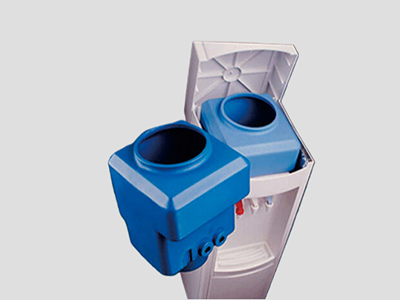
With the continuous development of technology, blow molding processing technology has been widely applied in various fields. Blow molding is a method of blowing molten plastic into a mold through high-pressure gas, which has many advantages and characteristics, making it unique among many processing techniques. This article will elaborate on the main advantages and application areas of blow molding processing.
1、 The main advantages of blow molding processing
1). High production efficiency
Blow molding equipment has the characteristics of high speed and efficiency, and can complete a large amount of product production in a short period of time. Compared with traditional injection molding, blow molding has higher production efficiency and can better meet the market's demand for products.
2). Low cost
During the blow molding process, the consumption of raw materials is relatively low, and there is no need to use molds in the production process, which reduces production costs. In addition, the maintenance cost of blow molding equipment is relatively low, further reducing production costs.
3). Stable product quality
During the blow molding process, plastic materials are rapidly cooled and shaped under the action of high-pressure gas, resulting in good dimensional stability and shape consistency of the product. Therefore, the quality of products produced by blow molding processing is relatively stable and less prone to deformation, cracking, and other problems.
4). Strong manufacturability
Blow molding processing can manufacture plastic products of various shapes and sizes, such as bottles, cans, toys, furniture, etc. Meanwhile, blow molding processing can also achieve product diversification and personalization by changing production processes and equipment parameters.
2、 Application fields of blow molding processing
1). Packaging industry
Blow molding processing has a wide range of applications in the packaging industry, such as manufacturing plastic bottles, plastic buckets, plastic boxes, etc. In addition, blow molding can also produce disposable tableware, cling film and other daily plastic products.
2). In the field of agriculture
The application of blow molding processing in the agricultural field is mainly reflected in the manufacturing of agricultural films, water pipes, containers, etc. These plastic products have good weather resistance and durability, providing convenience for agricultural production.
3). Toy manufacturing industry
Blow molding processing has a wide range of applications in the toy manufacturing industry, such as manufacturing various plastic toys, baby products, etc. Due to its high production efficiency and low cost, blow molding equipment has a significant competitive advantage in the toy manufacturing industry.
4). Furniture manufacturing
Blow molding processing can manufacture various household items such as beds, tables, chairs, etc. In addition, blow molding can also produce household items such as kitchen and bathroom supplies.
In short, blow molding, as an efficient and low-cost plastic processing method, has a wide range of applications in various fields. With the continuous advancement of technology, blow molding processing technology will play a more important role in future development.

手机

留言

抖音




 语言选择
语言选择 
 189-1326-9266